

Bengkulu Province
A Comprehensive Look at Bengkulu Province
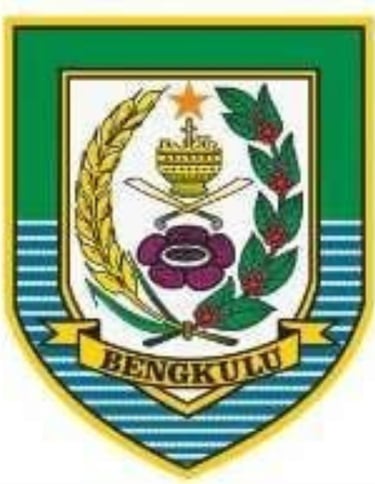
🌺Bengkulu Province: The Land of Rafflesia and British Heritage
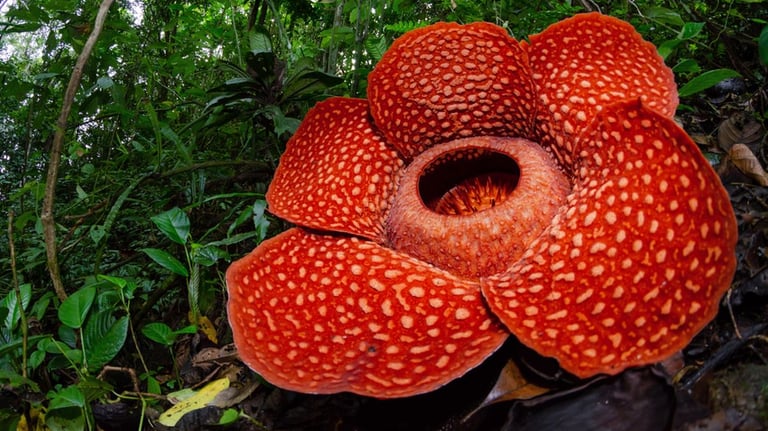
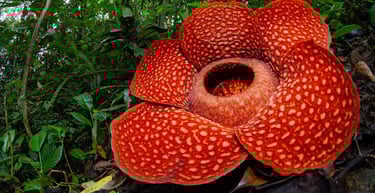
Bengkulu, situated on the southwestern coast of Sumatra Island, is one of Indonesia's lesser-known but historically significant provinces. It is famed globally as the only place where the giant Rafflesia arnoldii flower grows natively, and locally for its strong ties to British colonial history and Indonesia's founding fathers.
🏛️ Capital City and Geographical Conditions
Capital City: Bengkulu City (Kota Bengkulu).
Geographical Conditions: Bengkulu features a narrow, earthquake-prone coastal plain backed immediately by the steep slopes of the Bukit Barisan Mountains.
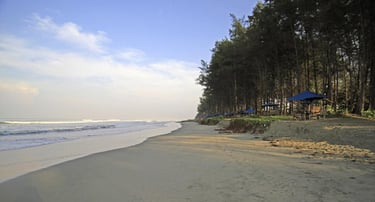
Coastal Plain: Faces the Indian Ocean, characterized by long, sandy beaches and a high risk of tsunamis.
Highlands: The mountains isolate the province somewhat, but also provide mineral wealth, rubber, and coffee plantations. The climate is tropical, with high rainfall.
👥Demographics and Customs
Population: The population of Bengkulu Province is approximately 2.1 million people.
Ethnic Groups: The indigenous groups include the Rejang (the largest group, mostly in the central area), Serawai (in the south), and Pekal. Due to historical and economic reasons, there are also significant communities of Javanese (transmigrants) and Minangkabau.
Customs (Adat): Local customs are a mix of traditional beliefs and Islamic influence. The Rejang Adat, in particular, governs ceremonies and social life. Respect for elders and communal harmony are paramount.
Language: Bahasa Indonesia is the official language. Local communication uses various local languages/dialects, primarily Rejang and Serawai.
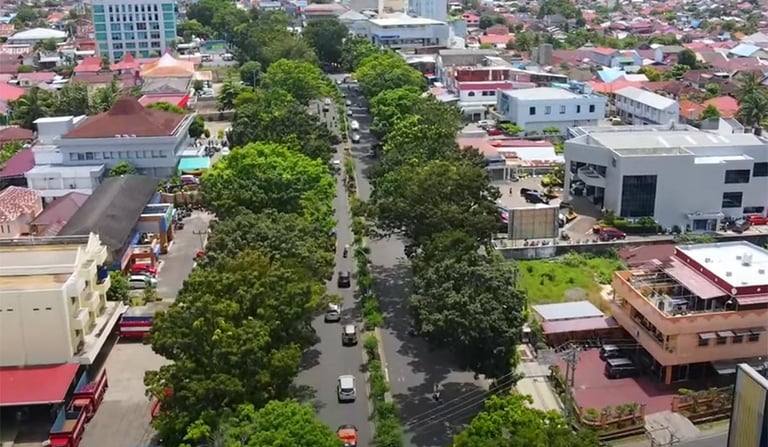
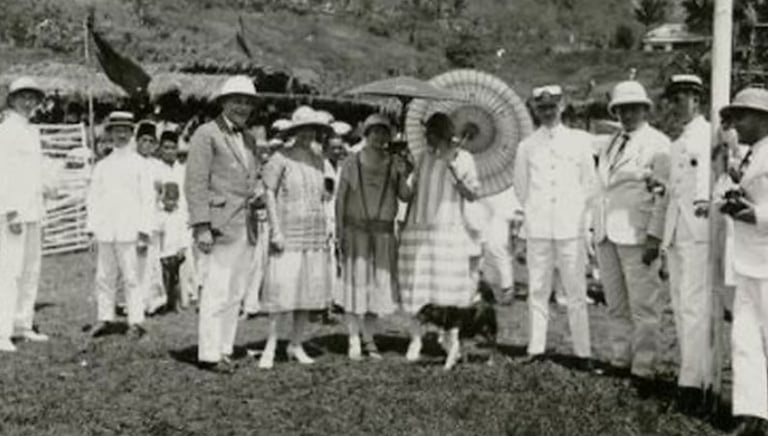

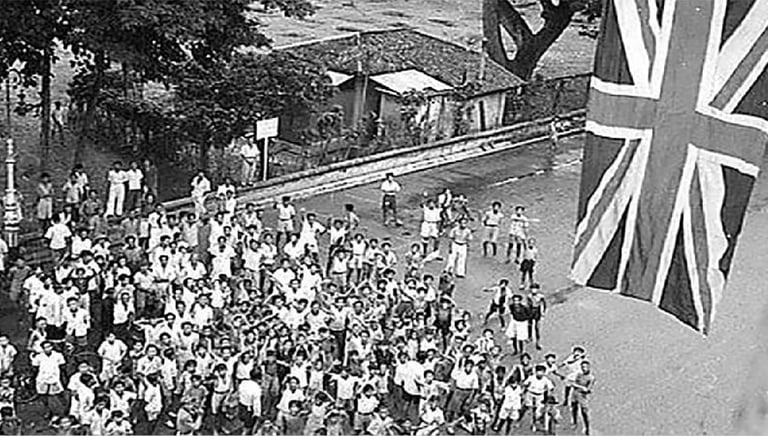
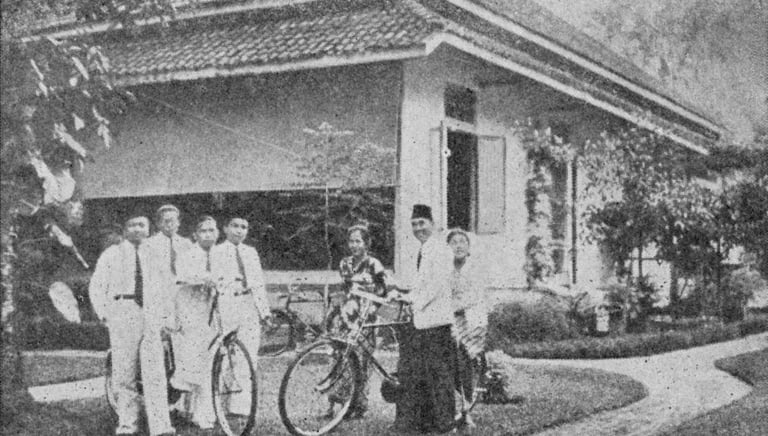
📜History: British Rule and National Exile
Bengkulu’s history is distinct due to its period as a key British outpost in the archipelago.
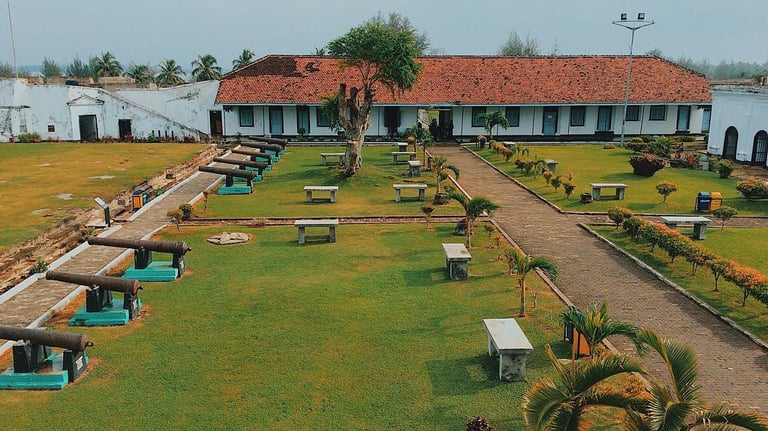
British Settlement: From 1685 to 1824, Bengkulu (then known as Bencoolen) was controlled by the British East India Company. The most significant legacy of this era is Fort Marlborough, one of the strongest British forts ever built outside India.
Exchange with the Dutch: Under the Anglo-Dutch Treaty of 1824, the British ceded Bengkulu to the Dutch in exchange for Malacca.
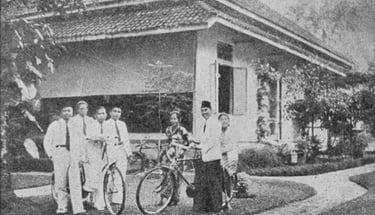
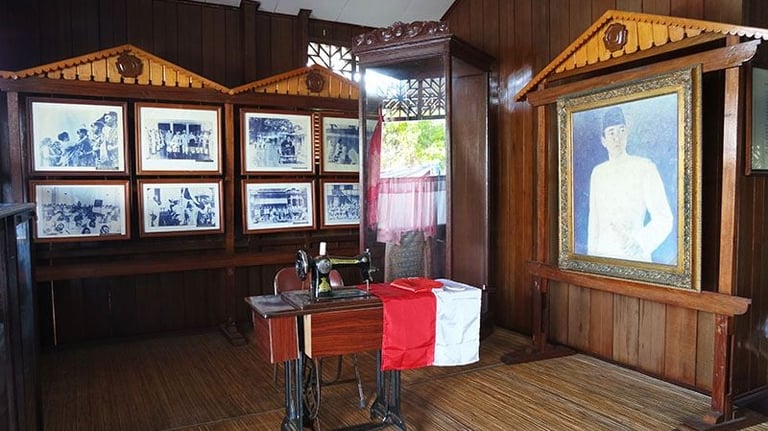
Socio-Political Importance: During the Dutch colonial period, Bengkulu gained prominence as a place of political exile. Indonesia’s first president, Sukarno, was exiled here between 1938 and 1942, where he met his future wife, Fatmawati, who later sewed the first Indonesian flag.
🎨Culture and Traditional Arts
Bengkulu's cultural expressions are rich with maritime themes and distinctive textiles.
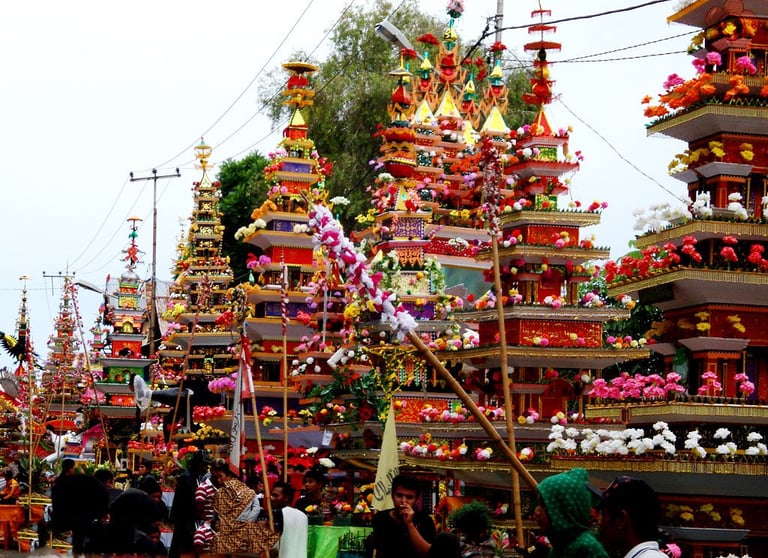
Tabot Festival: The most famous cultural event, held annually in the Islamic month of Muharram to commemorate the martyrdom of Husain ibn Ali. The festival culminates in a spectacular parade featuring decorated towers (Tabot).
Tapis Weaving: Traditional textiles, often woven with golden or silver threads, are used in important ceremonies.
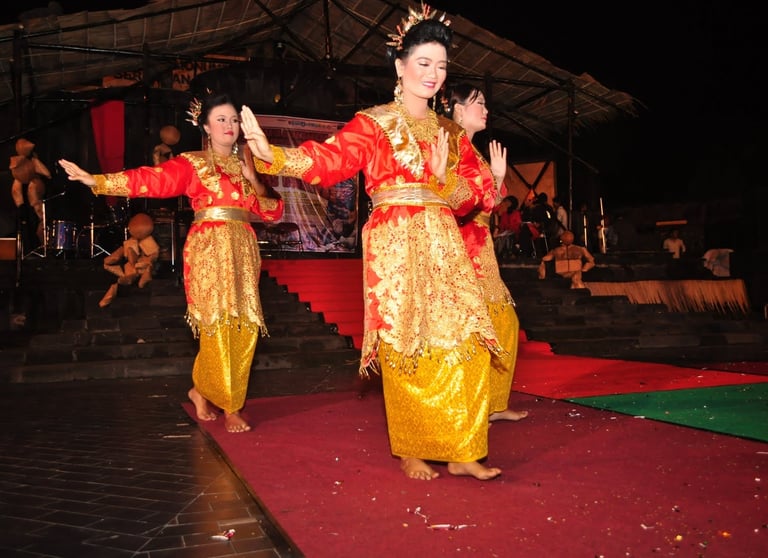
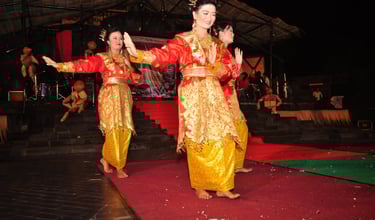
Traditional Dance: Dances are often characterized by energetic movements reflecting the traditions of the dominant ethnic groups.
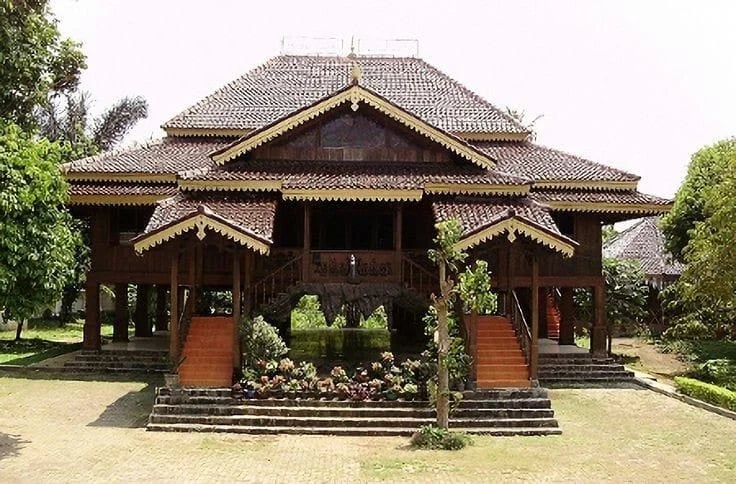
🏠Traditional House : Rumah Bubungan Lima
Traditional House (Rumah Adat)
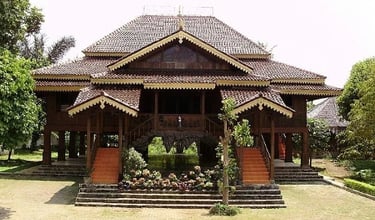
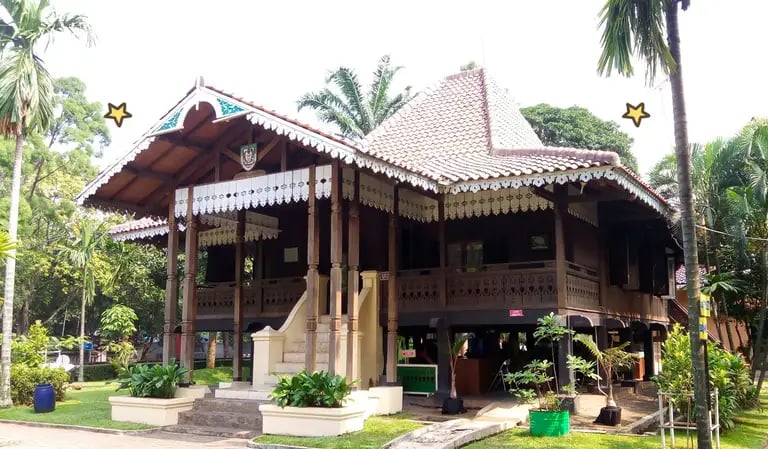
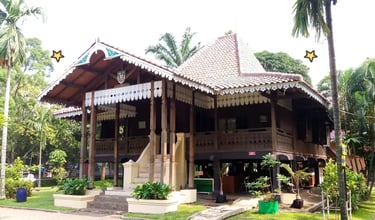
Rumah Bubungan Lima (House with Five Roof Sections) This is the representative traditional house of Bengkulu. It is a stilt house built on wooden pillars to protect against floods, humidity, and pests. The name derives from its unique roof structure, which features five main sections (or roof peaks), creating a tall, steep pitch to quickly shed rainfall. The house is built with strong wood, such as medang, meranti, or kulim. The space beneath the stilts (kolong) is often used for storage or livestock.
👘Traditional Clothing : Pakaian Adat Bengkulu
Traditional Attire (Baju Adat)
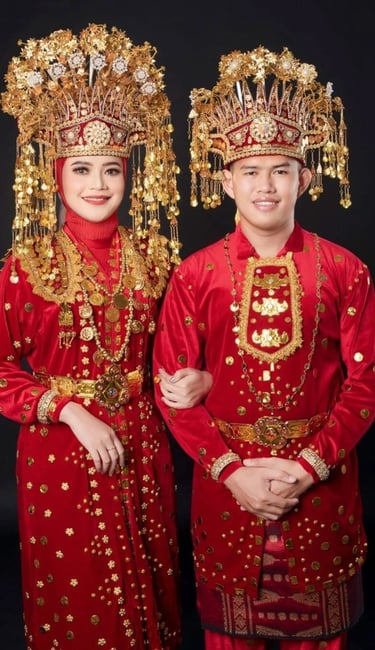
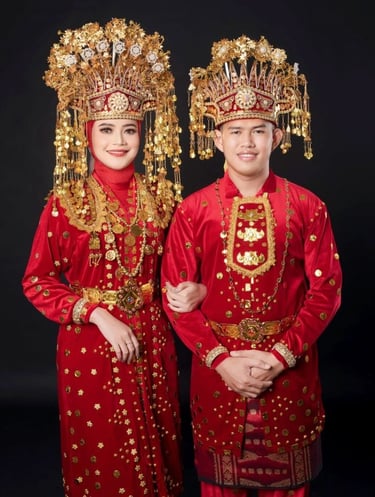
Pakaian Adat Bengkulu (Bengkulu Traditional Attire) The formal traditional attire is a refined form of Malay clothing, often using luxurious velvet fabric and intricate gold thread embroidery, typically in vibrant colors like red or dark green.
Men's Attire (Baju Adat Laki-laki) Jas Tutup (Closed Jacket) Men wear a long-sleeved closed jacket (Jas Tutup), usually made of velvet and heavily adorned with gold embroidery, often paired with matching trousers. A key component is the Songket fabric, which is either worn as a sash (salempang) across the shoulder or as a sarong wrapped around the waist. The outfit is completed with a traditional head covering called a Tanjak or Destar.
Women's Attire (Baju Adat Perempuan) Baju Kurung and Kain Songket Women wear a luxurious Baju Kurung (long-sleeved blouse) made of velvet, richly decorated with gold thread embroidery. This is paired with an exquisite, brightly woven Kain Songket as a skirt. The outfit is further enhanced by elaborate gold jewelry, including a large gold necklace, bracelets, and a distinctive crown or headpiece which symbolizes grace and high status.
🍲Distinctive Traditional Cuisine
Bengkulu cuisine is similar to other Sumatran coastal food, emphasizing seafood, spices, and coconut milk.
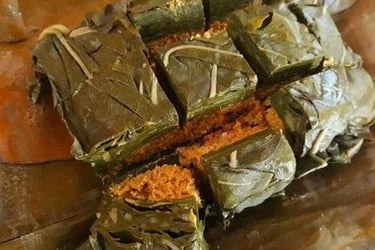
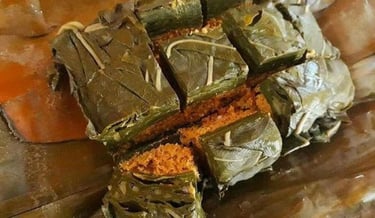
Pendap: A highly unique dish made from fish (often patin or gourami) mixed with grated coconut, spices, and taro leaves (talas). It is then wrapped tightly in banana leaves and steamed for eight hours to soften the bones and create an intensely savory flavor.
Bagar Hiu: A traditional dish made from shark meat, cooked in a thick sauce with various spices and herbs.
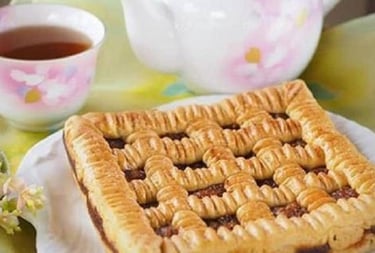
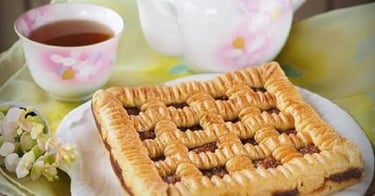
Kue Tat: A sweet pastry or tart, usually large and rectangular, traditionally served during major Malay holidays.
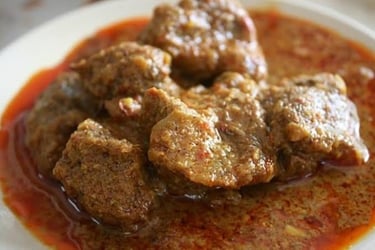
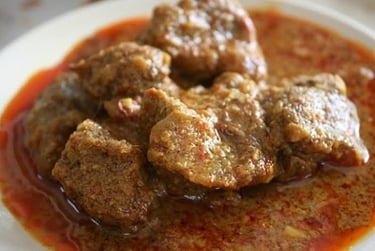
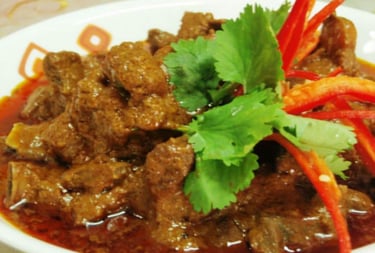
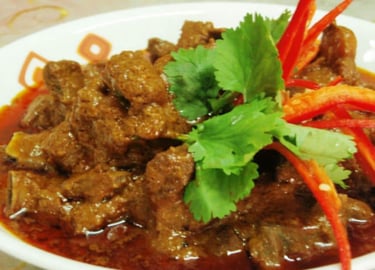
Gulai Kemba'ang: A traditional thick curry primarily featuring beef or goat meat. The dish is unique because of its consistency and the intense blend of spices, including ginger, galangal, turmeric, and chili, cooked in rich coconut milk.
🗺️Famous Tourist Attractions
Bengkulu offers attractions ranging from historical landmarks to rare natural wonders.
Fort Marlborough: The largest and best-preserved British fort in Southeast Asia, dominating the coastline of Bengkulu City. It is a compulsory stop for history enthusiasts.
Rumah Fatmawati: The house where Indonesia's first First Lady, Fatmawati, lived and where she sewed the first Sang Saka Merah Putih (Indonesian flag).
Bunga Rafflesia: The main draw. Tourists are often guided to specific spots in protected forests (like those near Kepahiang) when the parasitic flower is in bloom (it lasts only a few days).
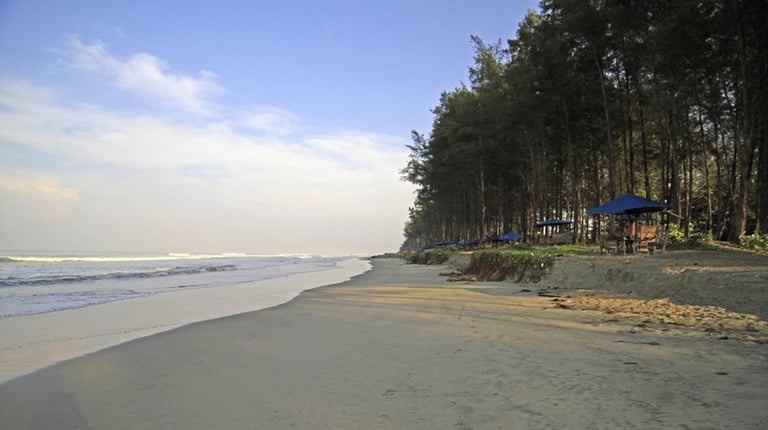
Long Beach (Pantai Panjang): A beautiful coastal stretch near the city, famous for its long expanse of sand, perfect for jogging and sunsets.
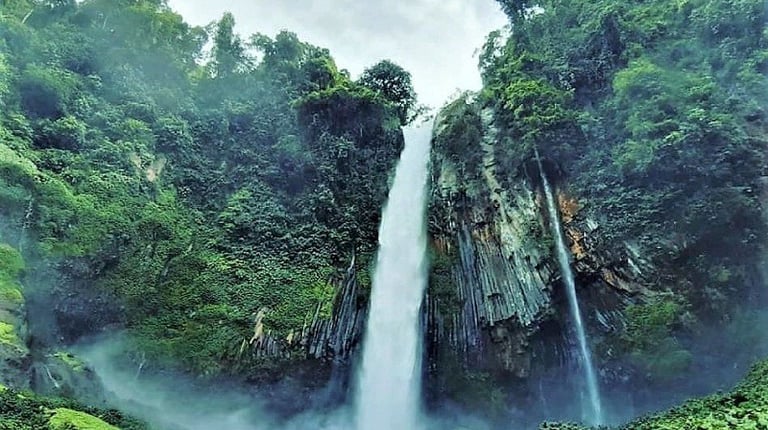
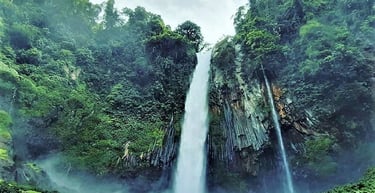
Curup (Highlands): A town in the cool highlands known for its vast citrus plantations, geothermal activity, and scenic waterfalls.
✈️Transportation Infrastructure
Bengkulu's infrastructure primarily connects it domestically via air and sea.
Airport (Bandar Udara):
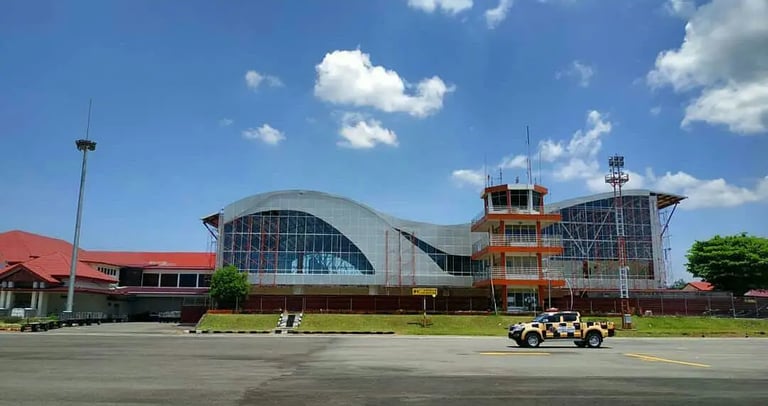
Fatmawati Soekarno Airport (BKS): Located near Bengkulu City, this is the main airport, serving regular domestic flights to Jakarta and other major cities in Sumatra.
Port (Pelabuhan):
Port of Pulau Baai (Pelabuhan Pulau Baai): The major deep-sea port handling goods and commercial traffic, crucial for the export of coal, coffee, and agricultural products.
Railroad (Stasiun Kereta Api):
Bengkulu Province currently does not have any active passenger train services connected to the national rail network. Inter-city travel is heavily reliant on road connections across the Bukit Barisan mountains.


Bengkulu is a truly unique destination, a province where the echoes of British cannons at Fort Marlborough mingle with the sacred rhythm of the Tabot Festival. It is a place that holds national significance, having sheltered a revolutionary president, and ecological importance, nurturing the world's largest flower, the Rafflesia. Bengkulu invites you to uncover a piece of Sumatra rich in history, rare in nature, and resilient in spirit.
Follow us to explore Indonesia with expert travel guidance
©PT.Sinar Pesona Travelindo 2025. All rights reserved.