

Central Papua Province
A Comprehensive Look at Central Papua Province
🌾Central Papua Province: The Mineral Rich Highlands and Coastal Bays
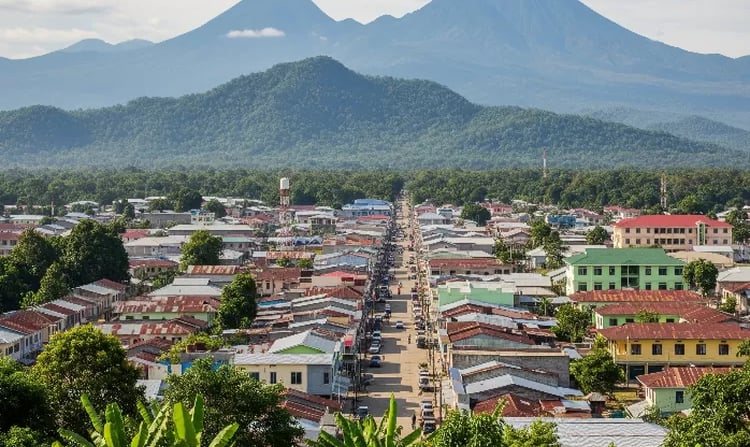
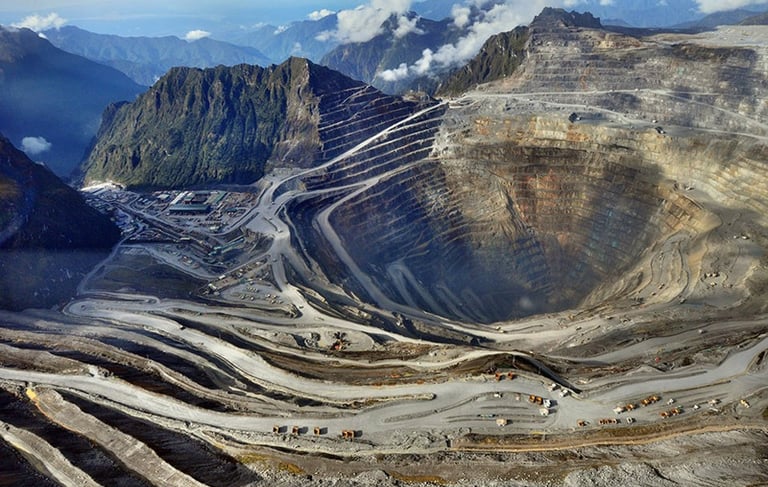
Central Papua is one of Indonesia's newest provinces, encompassing the central equatorial region, stretching from the rugged peaks of the Maoke Mountains down to the Arafura Sea coast. The province is highly distinct, housing the world's largest gold and copper mine and some of the most famous indigenous groups like the Dani and the Asmat. The provisional capital is Nabire.
🏛️Capital City and Geographical Conditions
Provisional Capital: Nabire. Located on the northern coast of Cenderawasih Bay, Nabire serves as a key economic and transportation hub, connecting the central highlands to the sea.
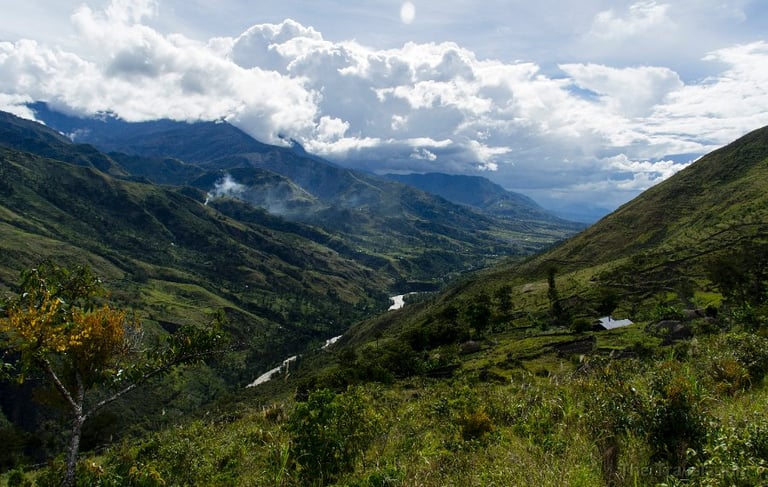
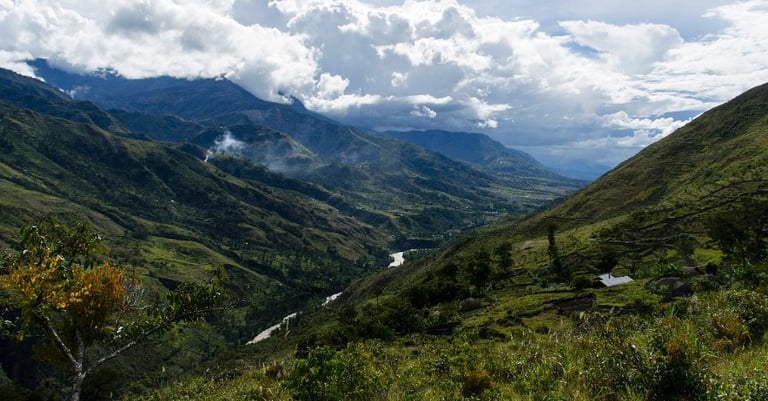
Geographical Conditions: The province features the most dramatic variation in terrain, from the tropics to eternal snow.
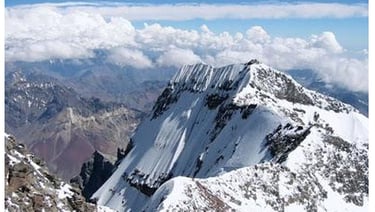
Maoke Mountains: Home to the Sudirman Range, where Puncak Jaya (Carstensz Pyramid, 4,884 m), the highest peak in Oceania, is located. This area contains the highly valuable Grasberg mine.
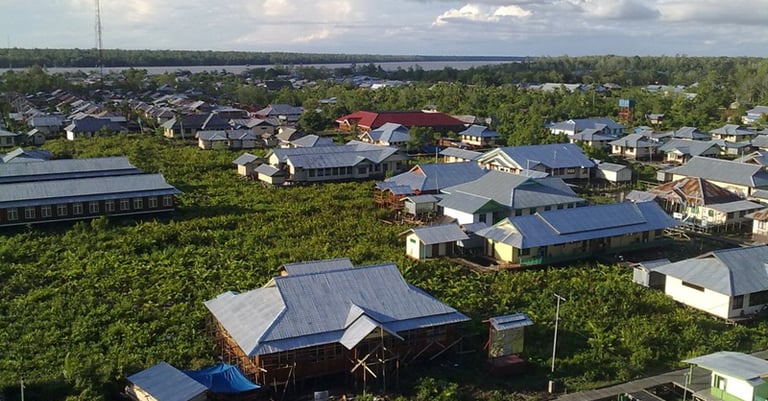
Lowland Swamps and Rivers: The southern region, including the Asmat area, is dominated by vast, low-lying mangrove forests and sago palm swamps intersected by powerful rivers.
Cenderawasih Bay: The northern boundary is the Cenderawasih Bay, rich in marine biodiversity and coastal tribal life.
Climate: Highly varied: Alpine tundra and near-freezing temperatures in the high mountains, contrasting sharply with the hot, humid tropical climate of the coastal and swampy lowlands.
👥Demographics and Customs
Population: The population is diverse, including highly isolated groups in the interior mountains and unique cultures along the coast.
Ethnic Groups:
Dani and Lani: The dominant indigenous tribes of the central highlands (now sharing borders with Highland Papua), famous for their traditional life centered in the Baliem Valley.
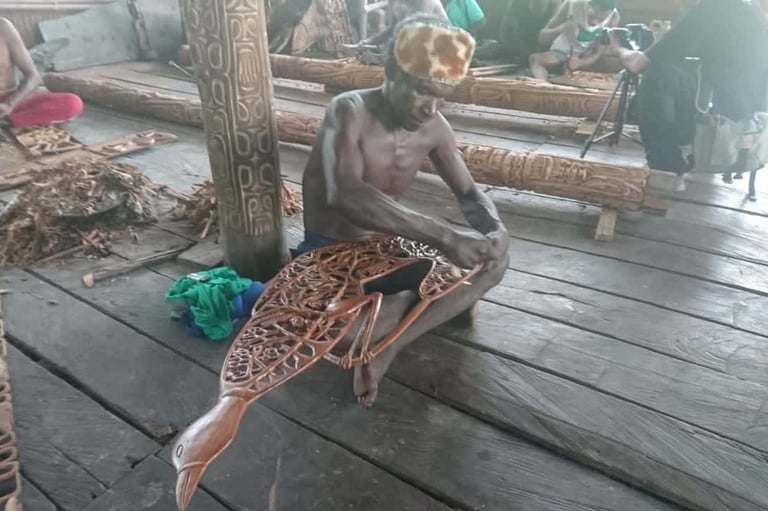
Asmat: Known globally for their profound wood carving artistry, residing in the swampy southern lowlands (Agats).
Mee and Ekari: Tribes inhabiting the scenic freshwater lakes like Paniai and Tage.
Migrants: A large population of migrant workers related to the mining industry and coastal trade.
Customs (Adat Istiadat):
Isolo (Asmat): Traditional rituals focused on ancestral spirits (Bis Pole) and the cycles of life and death, defined by complex initiation rites and the creation of elaborate wood carvings.
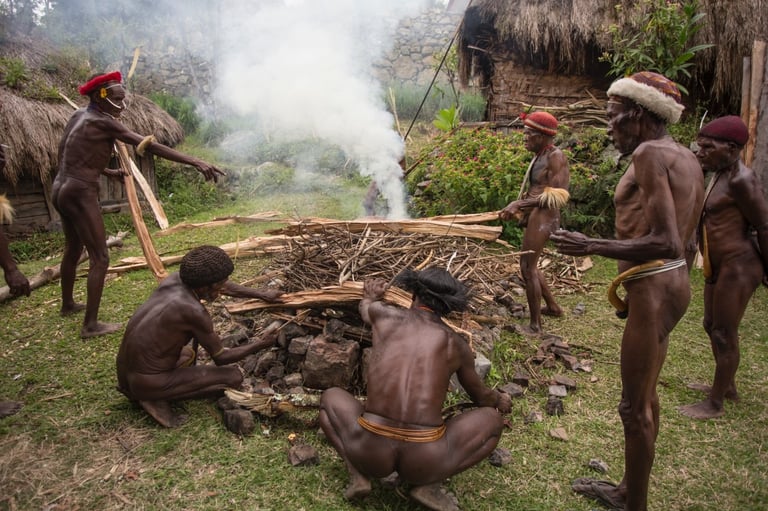
Bakar Batu (Dani/Highlands): The ancient ritual of cooking food (pork, tubers) using stones heated by fire. This is not just a cooking method but a major ceremony signifying peace, war, or celebration.
Mumi (Dani): The practice of preserving the bodies of important tribal leaders through smoking, a rare and revered tradition.
📜History: Exploration and Resource Extraction
Central Papua's history is marked by its inaccessibility, its late contact with the outside world, and its immense mineral wealth.
Exploration: The interior highlands, including the Baliem Valley, were largely unknown until systematic Dutch and later American expeditions in the mid-20th century.
Mining Boom: The region’s economic and political importance dramatically changed with the discovery and development of the massive Grasberg mine, which began operations in the 1970s.
Administrative Changes: Central Papua was officially established in 2022 by partitioning the former Papua province, aiming to accelerate the development of the resource-rich but physically challenging central region.
🎨Culture and Traditional Arts
The culture reflects a blend of mountain subsistence farming and coastal/swamp hunting and art.
Asmat Carving: The Asmat are internationally renowned for their powerful, sculptural wood carvings, which are deeply spiritual, featuring ancestor figures (Bisj Poles) and symbols of the natural world.
Pigs and Gardens (Highlands): The culture of the mountain tribes (Dani) revolves around the cultivation of sweet potatoes and the raising of pigs, which are symbols of wealth and used for major ceremonies.
Featherwork: Traditional crafts utilize the vibrant feathers of native birds, particularly the Bird of Paradise, for ceremonial decorations and costumes.
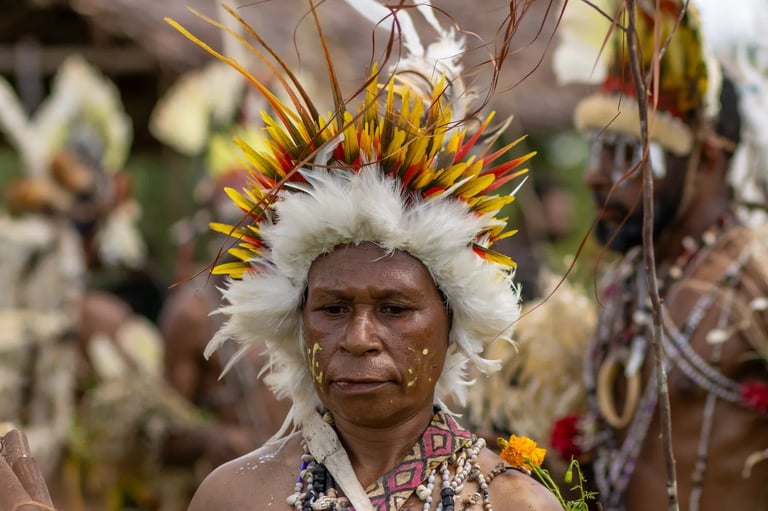
Traditional Houses and Clothing of Central Papua Province (Papua Tengah)
The traditional architecture and clothing are highly specialized to suit the extreme lowland swamp or mountain cold environments.
🏠Traditional House : Honai and Jew
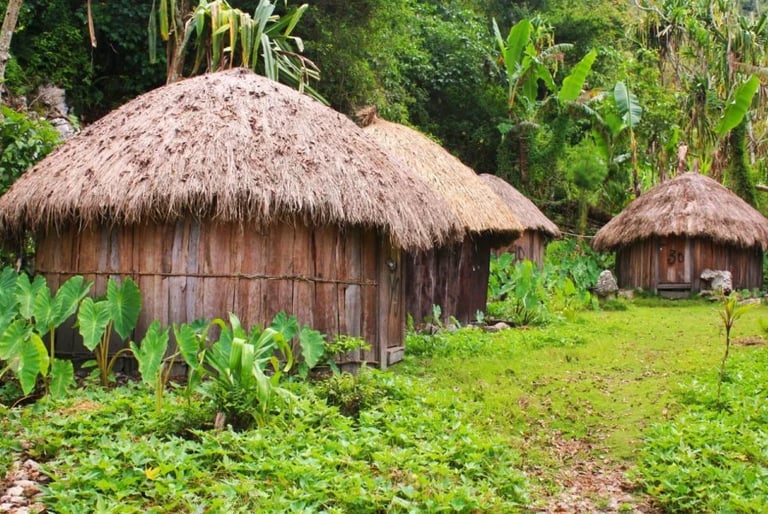
Honai (Dani Tribe House)
Architecture and Function The Honai is the signature circular hut of the highlands. It has thick, low walls made of wood and a heavy conical thatched roof that extends nearly to the ground. The structure has no windows and only a single, low door.
Symbolism The design is a sophisticated adaptation to the cold, high-altitude climate, maximizing heat retention from the internal fire pit. The round shape symbolizes unity and community.
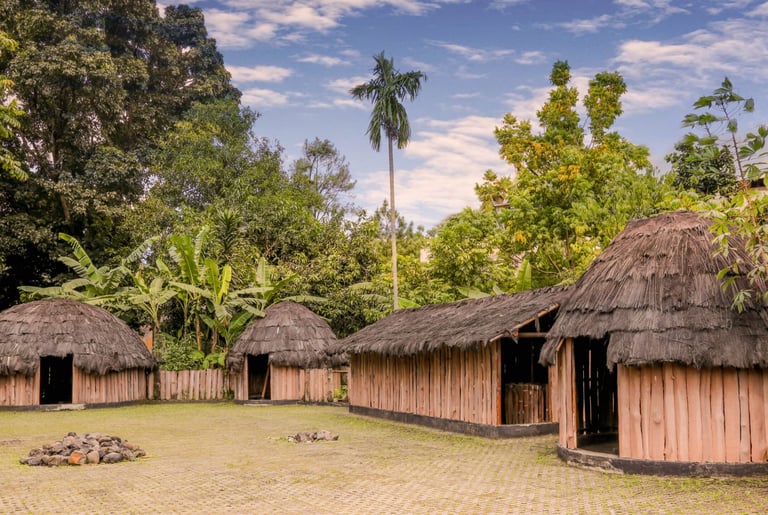
Jew (Asmat Tribe House)
Jew (Asmat Men's House) In the swampy Asmat region (Southern Central Papua), the Jew is the communal house built on very high, thick wooden stilts (up to 2-3 meters) to survive high tides and swamp conditions. It is typically a long, rectangular hall used exclusively for rituals and storing carvings.
👘Traditional Clothing : Pakaian Adat Baliem dan Asmat
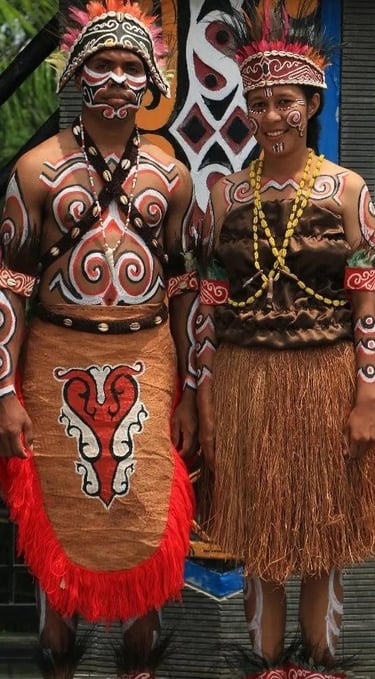
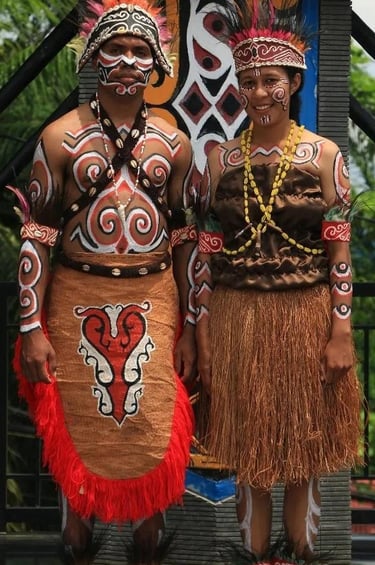
Pakaian Adat Dani (Highland Traditional Attire) The attire of the highlands is highly functional and symbolic.
General Feature Clothing is minimal, utilizing natural fibers, tree bark, animal skin, and feathers. The focus is heavily on ceremonial accessories, body paint, and ornamentation.
Men's Attire (Baju Adat Laki-laki)
Koteka Men traditionally wear the Koteka (penis gourd), secured with a belt made of woven fiber. The chest is adorned with necklaces of shells and pigtails, and a large ceremonial axe (kapak batu) may be carried. The head is decorated with elaborate feather headdresses and pig teeth ornaments.
Women's Attire (Baju Adat Perempuan)
Yokam Women wear a short, layered skirt made of woven straw or bark fiber called Yokam (or Sali), which covers the waist. They wear a simple bark fiber sash across the chest and large necklaces, often made from seeds or shells.
🍲Distinctive Traditional Cuisine
The cuisine reflects the harsh climate and reliance on specific cultivated crops and river resources.
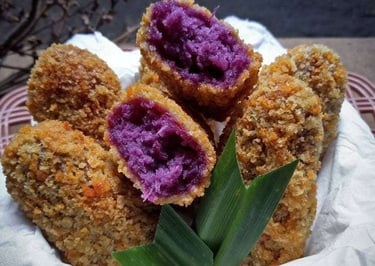
Ubi (Sweet Potato): The absolute staple food of the highlands (Dani/Lani), cooked in large quantities, often roasted or boiled, and consumed during the Bakar Batu ceremony.
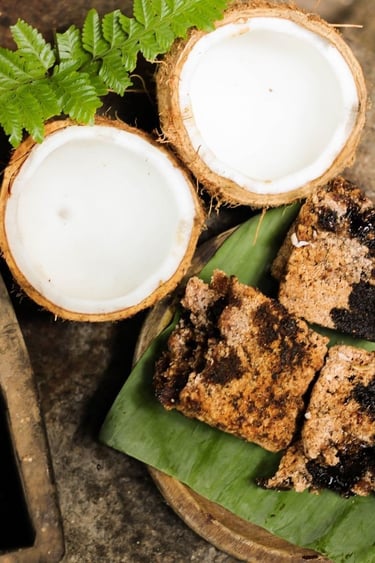
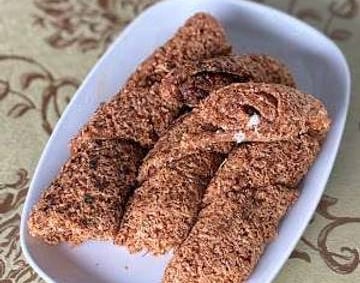
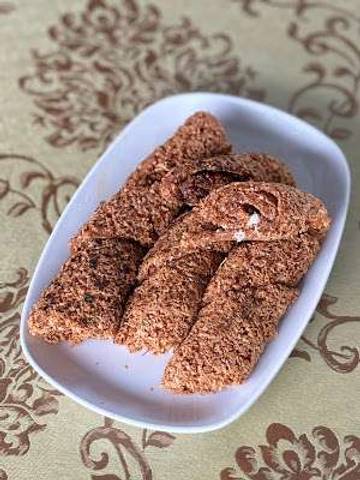
Sago and Sagu Bakar: Sago remains the main carbohydrate source in the southern swampy regions (Asmat/Mimika).
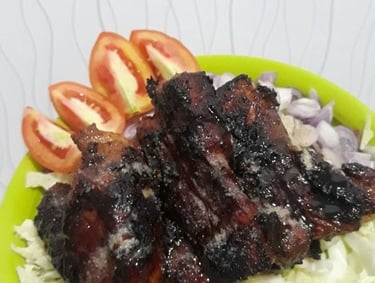
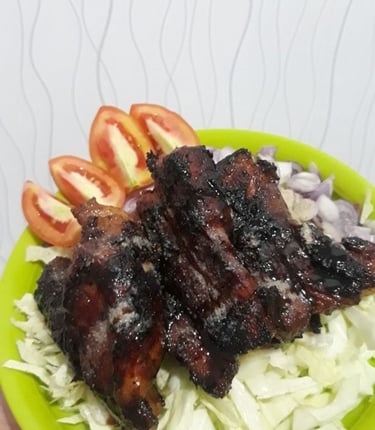
Babi Bakar (Roasted Pork): Pork is the most important ceremonial food in the highlands, central to the Bakar Batu ceremony.
🗺️Famous Tourist Attractions
Puncak Jaya (Carstensz Pyramid): The highest mountain in Oceania, attracting global mountaineers to its ice-capped summit, though access is highly restricted due to the mine.
Asmat Region (Agats): The center of the world-famous Asmat woodcarving culture, offering a unique opportunity to witness traditional life in the swamp environment.
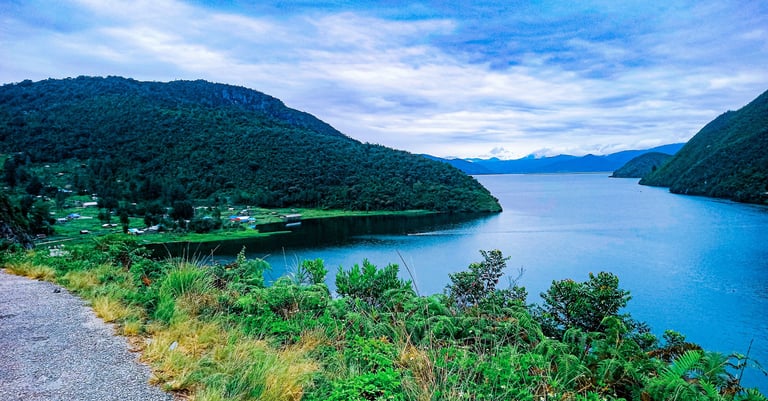
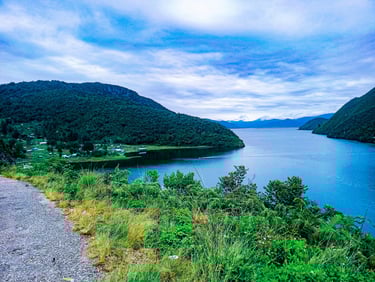
Lake Paniai: A stunning, high-altitude freshwater lake surrounded by mountains, home to the Ekari tribe.
Wamena/Baliem Valley: Though mostly in Highland Papua, this area remains a geographical and cultural icon associated with the Dani people.

✈️Transportation Infrastructure
Transport is extremely difficult, relying heavily on air travel and mining infrastructure.
Airport (Bandar Udara):
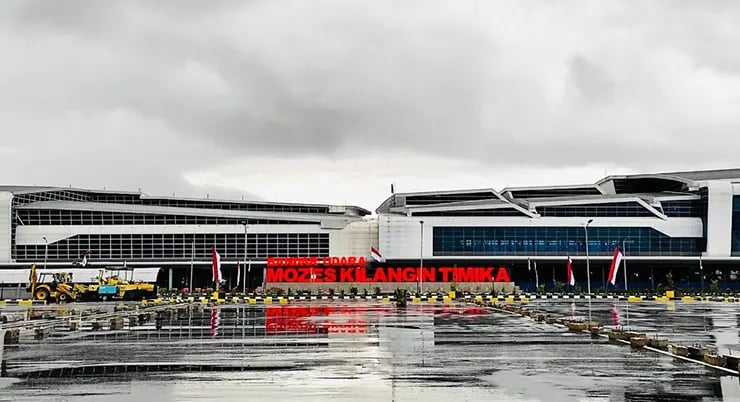
Mozes Kilangin Airport (TIM): Located in Timika (near the Grasberg mine), this is a major regional airport handling significant cargo and passenger traffic related to the mining industry.
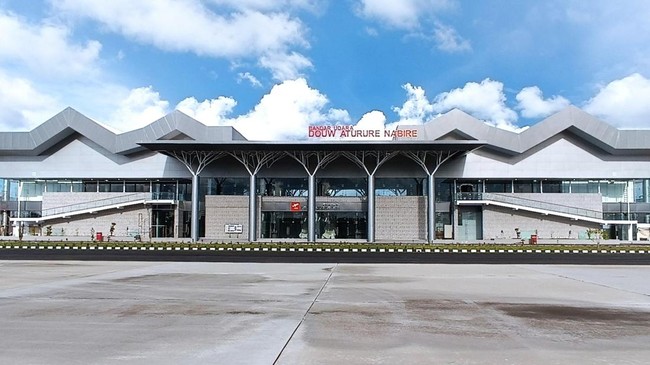
Nabire Airport (NBX): The main airport for the provisional capital, connecting to Jayapura and other regional centers.
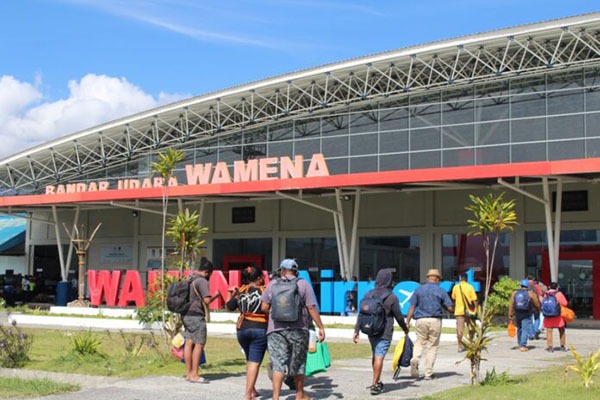
Wamena Airport (WMX): A crucial hub for connecting the central highlands to the coast.
Port (Pelabuhan):
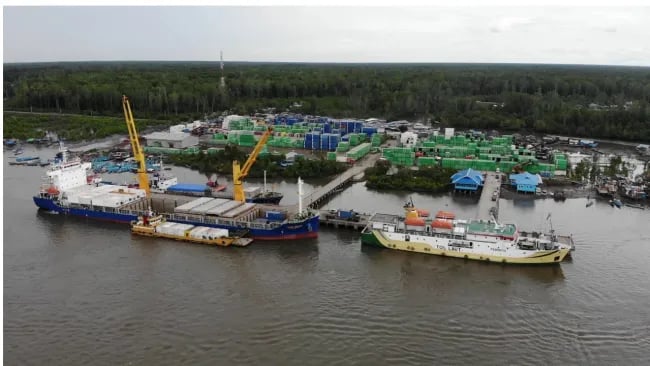
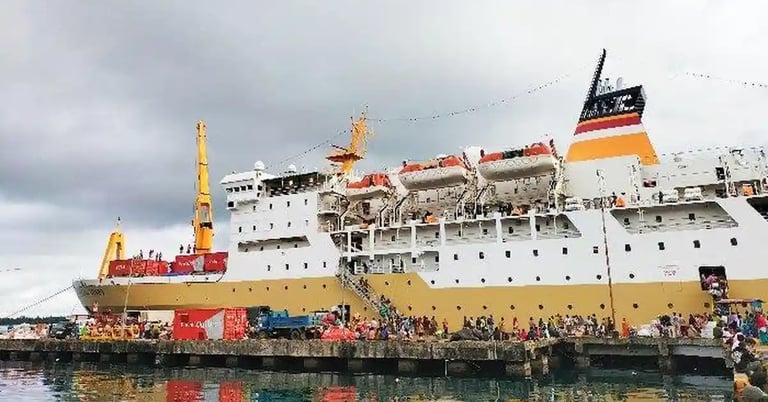
Port of Timika: A highly utilized commercial port supporting the logistics of the mining operations and general cargo.
Port of Nabire: A major port on Cenderawasih Bay connecting Central Papua to the northern sea routes.
Railroad (Stasiun Kereta Api):
Central Papua Province does not have a functional public railway network. Transportation in the interior is dominated by privately maintained roads related to the mining area, and air travel is the primary means of passenger transport.
Central Papua is a land of extremes: where eternal ice caps meet humid sago swamps, and ancient tribal cultures coexist with massive modern industry. It is a vital and dramatic region that continues to define the raw beauty and complexity of the island of New Guinea.
Follow us to explore Indonesia with expert travel guidance
©PT.Sinar Pesona Travelindo 2025. All rights reserved.