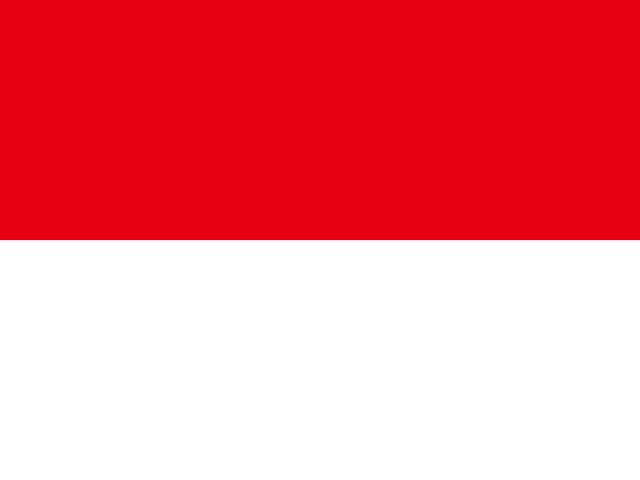

North Maluku Province
A Comprehensive Look at North Maluku Province
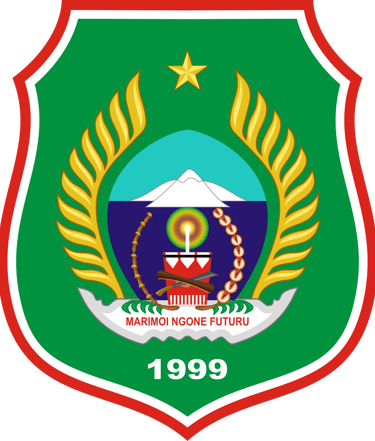
🌶️North Maluku Province (Maluku Utara): The Historic Kings of Spice
North Maluku (Maluku Utara) is a province of legendary status in world history. Before modern borders existed, this archipelago was known as Moloku Kie Raha (The Four Mountains), referring to the four powerful volcanic sultanates—Ternate, Tidore, Jailolo, and Bacan. It is the original, native home of the clove, a spice that once sparked global exploration, colonization, and wars between European empires. Today, it offers a dramatic landscape of active volcanoes rising from the sea, historic fortresses, and pristine underwater paradises.
🏛️Capital City and Geographical Conditions
Capital City: Sofifi. Uniquely, the official administrative capital is Sofifi, located on the large island of Halmahera. However, the economic, commercial, and historical hub remains the city of Ternate, situated on the small volcanic island of Ternate.
Geographical Conditions: The province is an archipelago of volcanic islands.
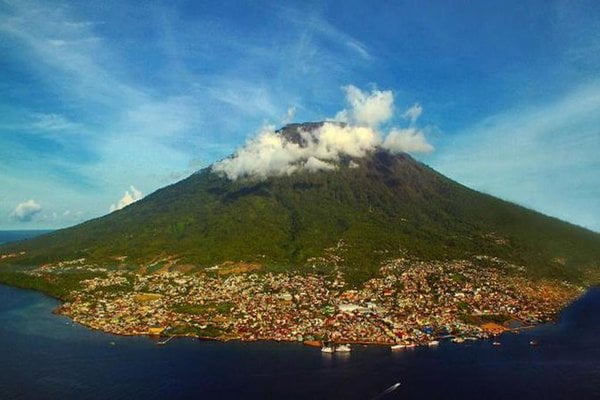
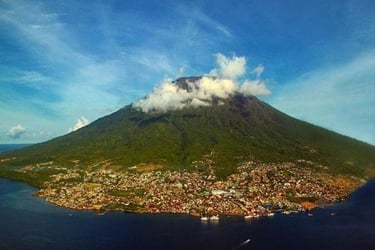
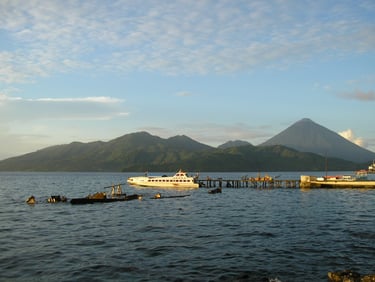
The Volcanic Chain: The islands of Ternate, Tidore, Makian, and Mototi are essentially the peaks of volcanoes rising straight out of the deep sea. Mount Gamalama dominates Ternate.
Halmahera: The largest island in the province, shaped like a miniature Sulawesi (K-shaped), featuring rugged mountains, dense forests, and deep bays.
Morotai: A flatter, coral-rich island to the north, facing the Pacific Ocean.
Climate: Tropical rainforest climate, generally hot and humid, with no distinct dry season in some areas due to the ocean influence.
👥Demographics and Customs
Population: The population is approximately 1.3 million people.
Ethnic Groups: The region is highly diverse. The major groups include the Ternate, Tidore, Makian, Galela, and Tobelo people. Halmahera is linguistically diverse with both Austronesian and Papuan language families represented.
Customs (Adat Istiadat):
Moloku Kie Raha: The cultural philosophy of the "Four Mountains" emphasizes brotherhood and balance between the four traditional kingdoms.
Sultanate Tradition: Despite being a modern province, the Sultans of Ternate and Tidore still hold immense cultural respect. Traditional ceremonies (Adat) often revolve around the royal courts (Kedaton).
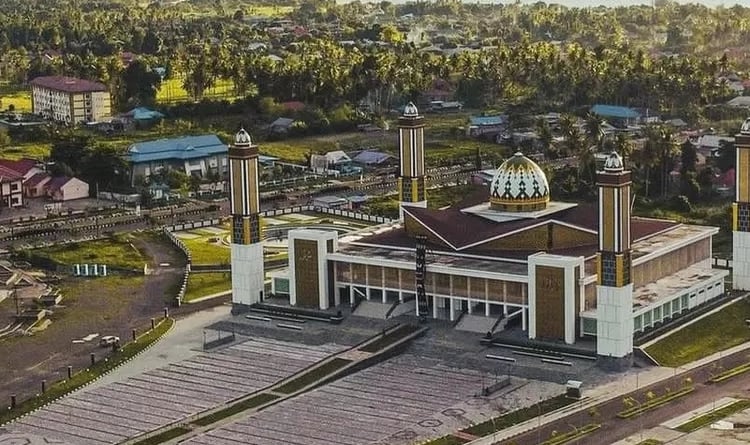
📜History: The Rivalry of Ternate and Tidore
North Maluku’s history is defined by the rivalry of its twin sultanates and European intervention.
The Spice Monopoly: For centuries, Ternate and Tidore were the world's only source of cloves. This wealth allowed them to build powerful maritime empires.
European Arrival: The Portuguese arrived in 1512, building forts to control the trade. They were followed by the Spanish (who allied with Tidore) and the Dutch (who allied with Ternate).
Circumnavigation: When Ferdinand Magellan’s expedition (led by Juan Sebastián Elcano after Magellan’s death) completed the first circumnavigation of the globe, they stopped in Tidore in 1521 to load the precious spices that paid for the voyage.
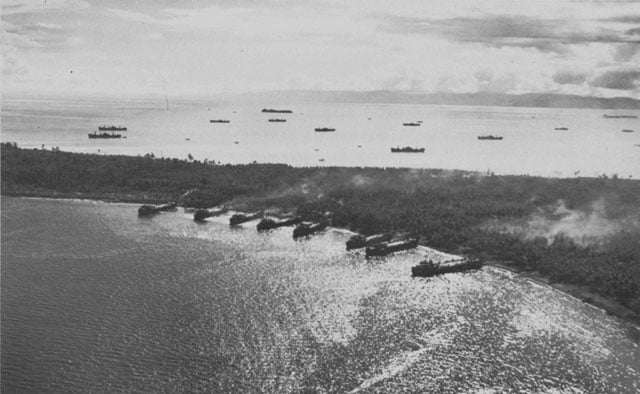
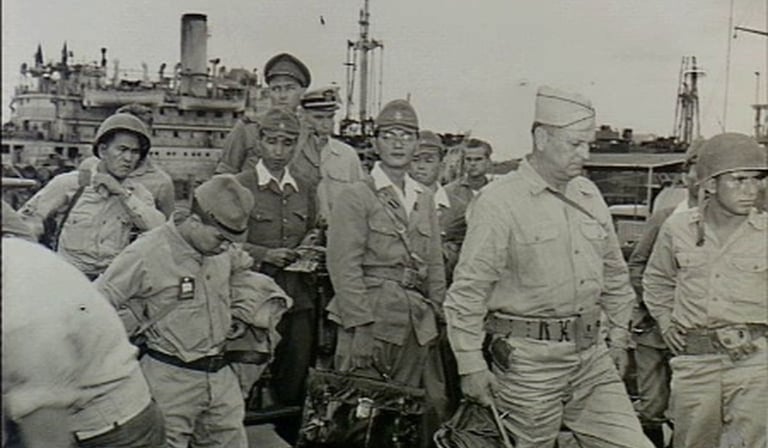
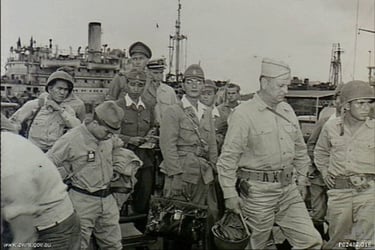
WWII History: Morotai Island played a pivotal role in World War II as a major base for General Douglas MacArthur during the Allied liberation of the Philippines.
🎨Culture and Traditional Arts
The culture is a blend of Islamic royal traditions and Melanesian influences.
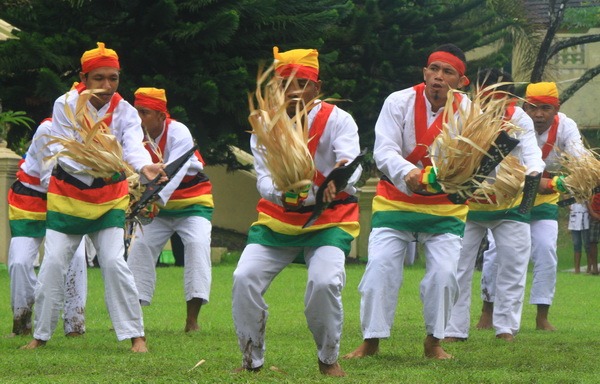
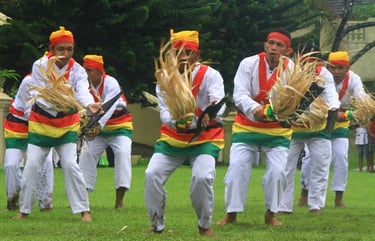
Soya-Soya Dance: A heroic war dance from Ternate/Tidore. Dressed in white with red headbands, dancers perform rhythmic movements with shields and swords, originally used to boost morale during the rebellion against the Portuguese.
Legu Gam: An annual cultural festival in Ternate celebrating the Sultan's birthday, showcasing traditional dances, music, and rituals.
Bambu Gila (Crazy Bamboo): Similar to the tradition in Ambon, this mystical ritual involves men holding a bamboo pole that moves possessed by a spirit.
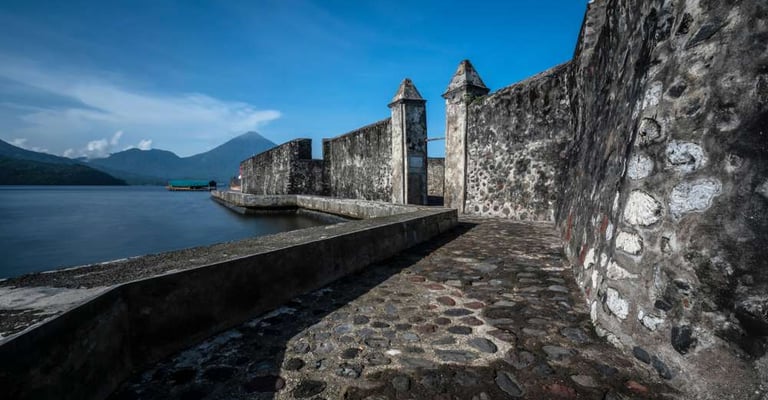
Benteng (Forts): The landscape is dotted with European-style forts (like Fort Oranje and Fort Tolukko), which are now integrated into the local cultural identity.
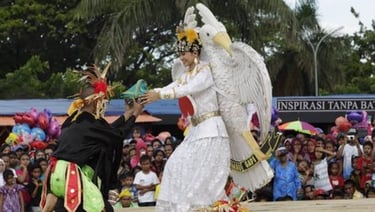
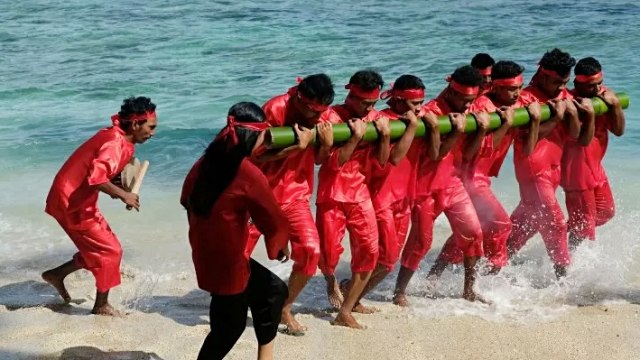
Traditional Houses and Clothing of North Maluku Province (Maluku Utara)
North Maluku, centered around the islands of Ternate and Tidore, was historically the seat of powerful Sultanates that controlled the global spice trade (cloves and nutmeg). The culture is dominated by the Ternate, Tidore, Sula, and Halmahera ethnic groups, known for their strong royal traditions and Islamic influence.
🏠Traditional House : Sasadu and Rumah Adat Sultan
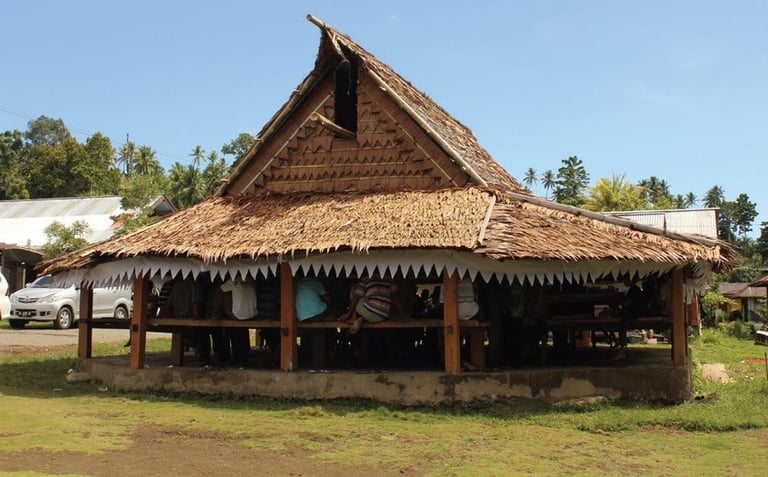
Sasadu (Sahu Tribe House) The Sasadu is the traditional house of the Sahu tribe in Halmahera. It is a large, square, open-sided structure built on wooden pillars. Like the Baileo in Maluku, it primarily functions as a communal meeting house and ceremonial hall.
Architecture The Sasadu is characterized by its high, prominent roof, often with two smaller "horns" at the peaks, and its open plan with no permanent walls, allowing free air circulation and emphasizing community engagement.
Symbolism The house symbolizes the collective life and democratic spirit of the Sahu community. The construction and orientation adhere to traditional laws (adat), reflecting unity and mutual respect.
Rumah Adat Sultan (Sultanate Palace)
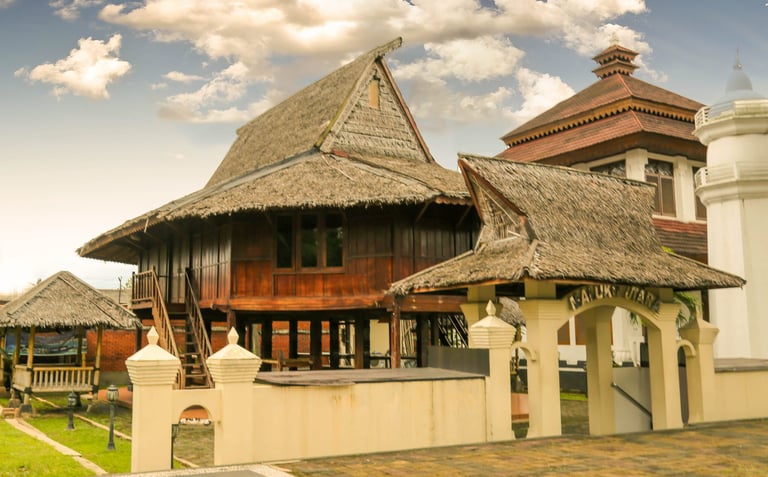
Rumah Sultan The official and historical palace structures of the Ternate and Tidore Sultanates, though not residential Rumah Adat, are the defining architectural symbols of the province, featuring European and traditional Maluku elements.
👘Traditional Clothing : Manteren Lamo and Kimun Gia
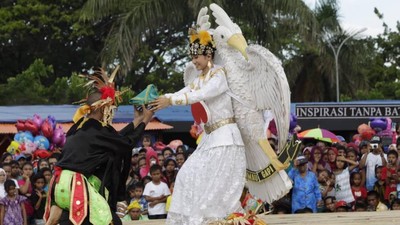
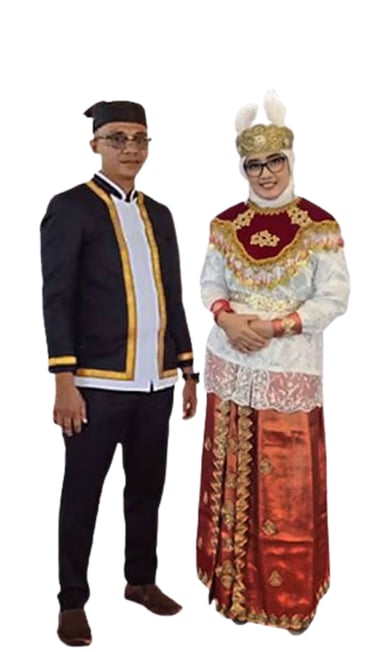
Pakaian Adat Maluku Utara (North Maluku Traditional Attire) The formal attire is majestic, heavily influenced by the former Ternate and Tidore Sultanates, characterized by rich fabrics, vibrant colors, and elaborate accessories that reflect royal status and power.
General Feature
Royal Opulence The clothing utilizes luxurious fabrics like velvet, brocade, and silk, traditionally in bold colors such as red, yellow, or black. The focus is on extensive embroidery and golden jewelry, symbolizing the region's prosperity from the spice trade.
Men's Attire (Baju Adat Laki-laki)
Manteren Lamo (Sultan's Attire) Men wear the Manteren Lamo (Great Minister's Shirt), a tailored, long-sleeved, high-collared jacket made of velvet, richly embroidered with gold threads. This is paired with long trousers and a ceremonial Sarong wrapped around the waist. The outfit is completed with a destar (traditional turban) or a unique royal hat (Songkok) and a ceremonial dagger (Keris or Parang) on the belt.
Women's Attire (Baju Adat Perempuan)
Kimun Gia Women wear a long, modest, and elegant dress or Baju Kurung (Kimun Gia), often made of embroidered silk or velvet. The dress is typically worn with a Selendang (shawl). The most striking feature is the jewelry and accessories, including a large, ornate crown or tiara and abundant gold pins and necklaces, symbolizing the royal status of the region.

🍲 Distinctive Traditional Cuisine
North Maluku cuisine is fresh, savory, and utilizes the abundance of seafood and spices, particularly nutmeg and kenari nuts.
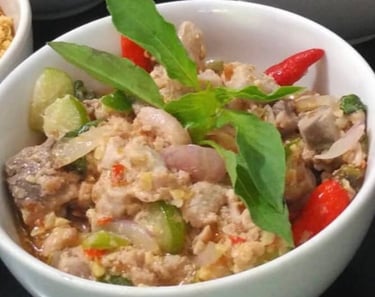
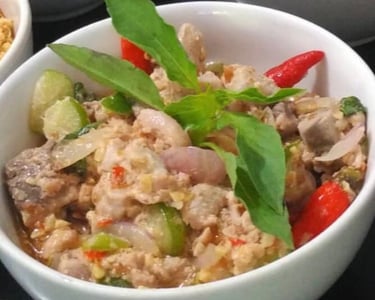
Gohu Ikan: Often called "Ternate Sashimi." Fresh, raw tuna is diced and cured with lime juice and salt, then mixed with chopped chilies, shallots, and kemangi (lemon basil), and finally doused in hot coconut oil. It is incredibly fresh and savory.
Papeda (Popeda): Like in Papua and Ambon, this sago porridge is the staple carb. In North Maluku, it is often served with Kuah Soru (a sour and spicy fish soup).
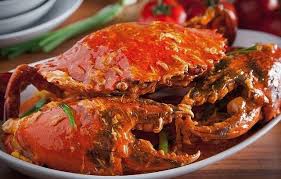
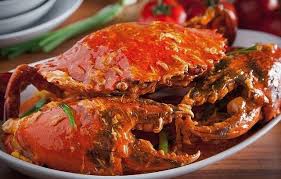
Gatuda (Ketam Kenari): A delicacy made from the Coconut Crab (Birgus latro). The meat is sweet and rich, often cooked in a spicy coconut curry sauce. (Note: Due to conservation concerns, this is now a rare delicacy and strictly regulated).
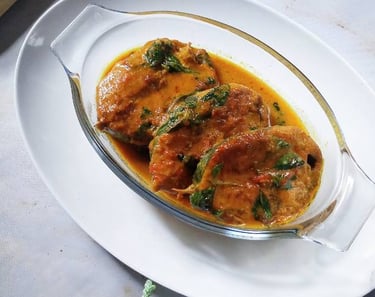
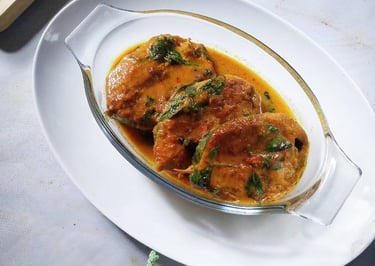
Ikan Kuah Pala: A fish soup that highlights the region's heritage. The broth is clear but intensely flavorful, seasoned with fresh nutmeg fruit and mace, giving it a unique sour and warm aroma found nowhere else.
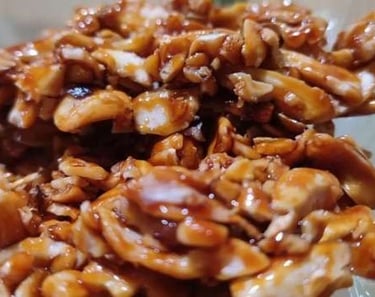
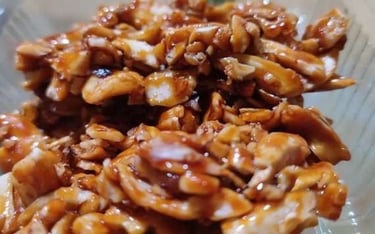
Halua Kenari: A sweet snack made from Kenari nuts (Canarium nuts) mixed with palm sugar.
🗺️Famous Tourist Attractions
The province offers historical exploration and volcanic adventure.
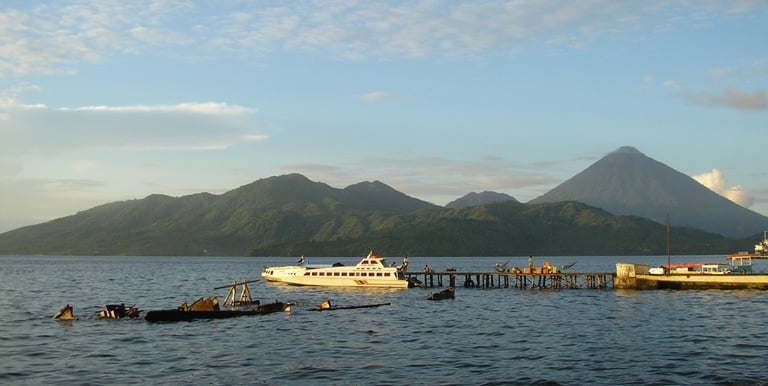
Mount Gamalama: The majestic volcano that forms Ternate Island. Hikers can trek to the summit for views of the crater and the surrounding sea.
Fort Tolukko: A small, well-preserved Portuguese fortress in Ternate built in 1540, offering a perfect view of Mount Gamalama and the island of Tidore across the water.
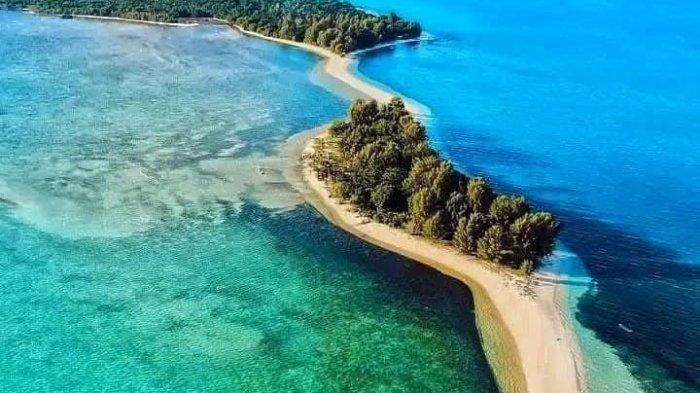
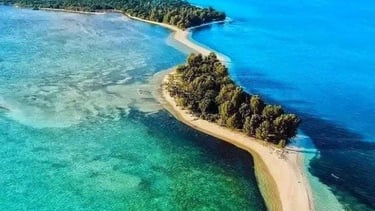
Morotai Island: A paradise for history buffs and beach lovers. Visitors can see sunken WWII planes, the statue of General MacArthur, and pristine white sand beaches like Dodola Island.
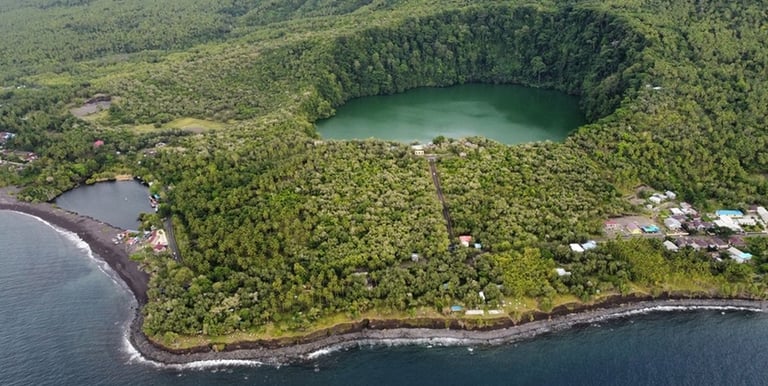
Lake Tolire: A mysterious, emerald-green crater lake at the foot of Mount Gamalama. Local legend says it is inhabited by white crocodiles.
Tidore Island: A short boat ride from Ternate, offering a quieter atmosphere, the Sultan's Palace, and the Spanish Fort Tahula.
✈️Transportation Infrastructure
Transport in North Maluku is unique; while planes connect it to the outside world, speedboats are the "buses" connecting the islands.
Airport (Bandar Udara):
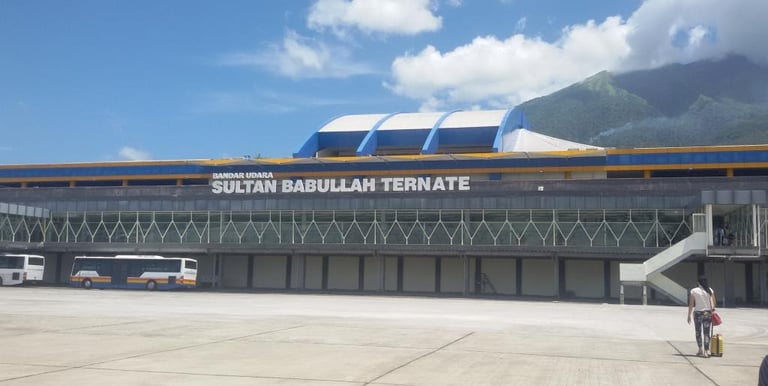
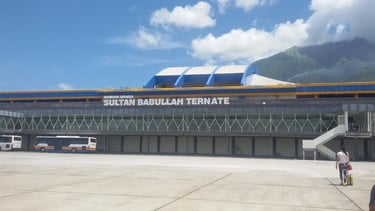
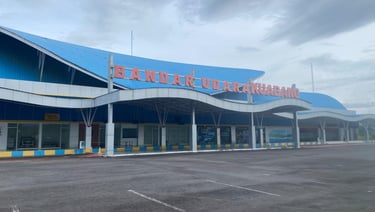
Sultan Babullah Airport (TTE): Located in Ternate at the foot of the volcano. It is the main gateway, with flights to Jakarta, Makassar, Manado, and Ambon.
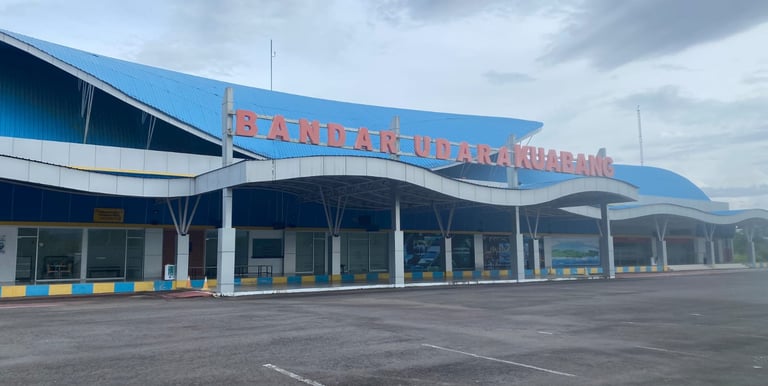
Kuabang Airport (Kao): Located on Halmahera Island.
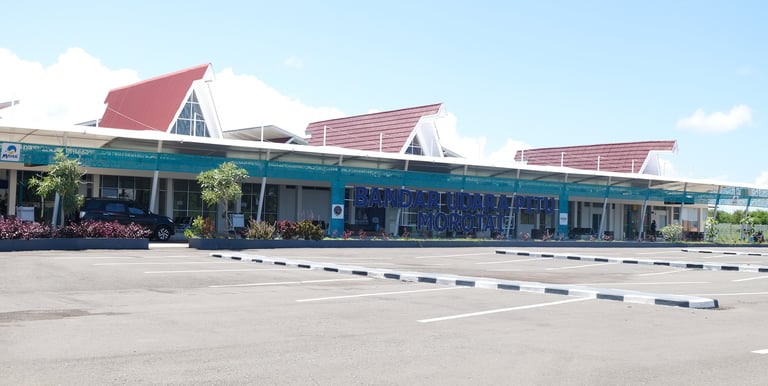
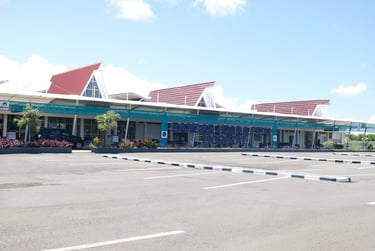
Pitu Airport: Located on Morotai Island.
Port (Pelabuhan):
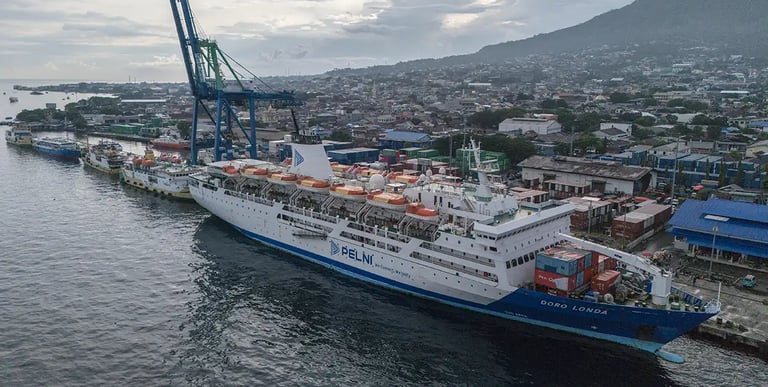
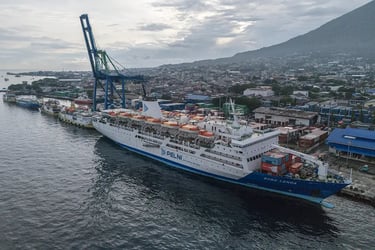
Ahmad Yani Port (Ternate): The main seaport for Pelni passenger ships and cargo.
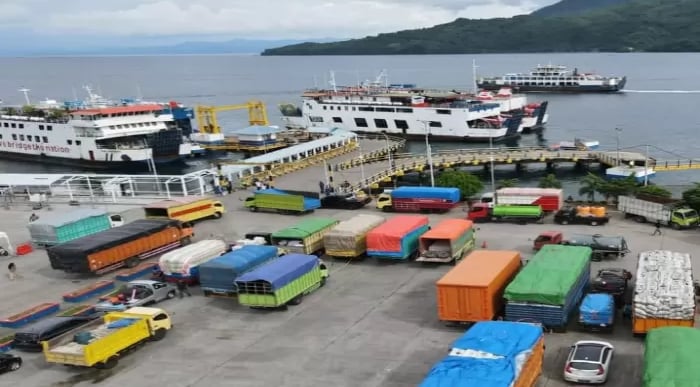
Bastiong Port: The hub for ferries and the bustling Speedboat service that runs constantly between Ternate and Sofifi/Tidore.
Railroad (Stasiun Kereta Api):
North Maluku Province does not have any railway network. Inter-island travel is conducted by boat, and on-island travel is by road.
North Maluku is the original "Ground Zero" of the global spice trade, a place where history is etched into the volcanic stones of its forts and the aroma of cloves still hangs in the air. It is a province of dualities: the bustling, historic rivalry of Ternate and Tidore contrasted with the silent, underwater ruins of Morotai. Whether you are tasting the fresh zest of Gohu Ikan or gazing at the perfect cone of Mount Gamalama, North Maluku offers a journey into the past that is as vibrant and spicy as its legendary heritage.
Follow us to explore Indonesia with expert travel guidance
©PT.Sinar Pesona Travelindo 2025. All rights reserved.