

South Papua Province
A Comprehensive Look at South Papua Province
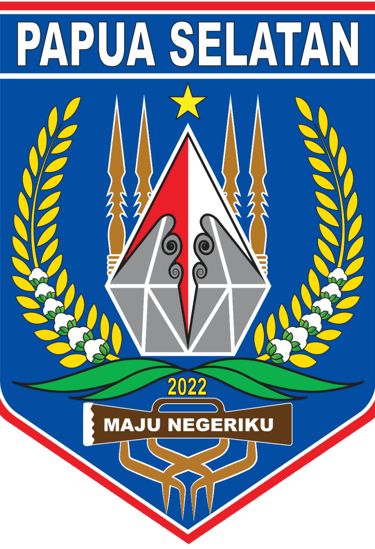
🌾South Papua Province: The Lowlands and Marind Heartland
South Papua is Indonesia's newest province, located on the vast southern lowlands bordering Papua New Guinea. Its culture is profoundly shaped by its geography: massive wetlands, the winding Fly and Digul Rivers, and expansive savanna, which sustain the unique traditions of the Marind and Asmat (though Asmat is now in Central Papua, their influence remains strong in the lowlands) peoples. The capital is Merauke.
🏛️Capital City and Geographical Conditions
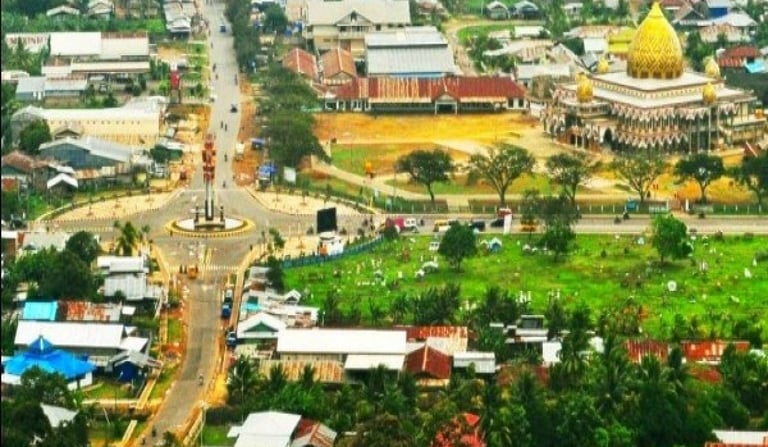
Capital City: Merauke. Situated on the southern coast near the border, Merauke is the commercial and administrative center of the region, known for its mix of savanna and coastal environments.
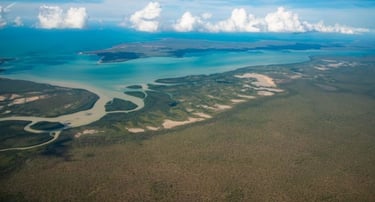
Geographical Conditions: The province is defined by its flat, swampy, and riverine terrain.
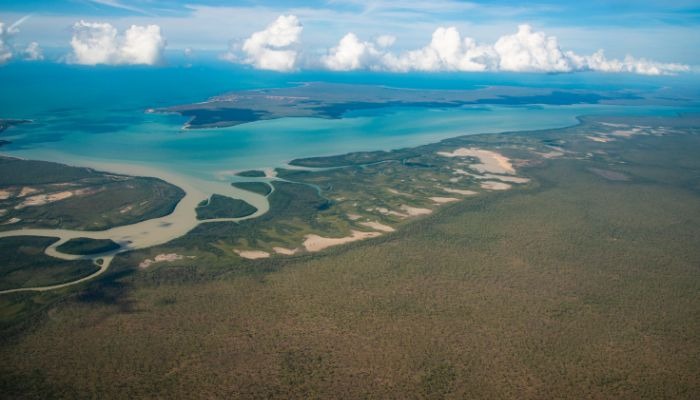
Lowland Swamps: Vast areas are dominated by low-lying mangrove forests and sago palm swamps, particularly near the major river deltas.
Arafura Sea Coastline: The entire southern border faces the shallow Arafura Sea, historically significant for trade and resource gathering.
Wasur National Park: Located near Merauke, this park is home to a unique savanna ecosystem, massive termite mounds, and migratory bird species, reflecting a more arid climate than other parts of Papua.
Climate: Tropical monsoon climate, with a distinct wet and dry season, particularly noticeable in the savanna areas around Merauke.
👥Demographics and Customs
Population: The population is sparse, concentrated in the capital and along the river banks.
Ethnic Groups:
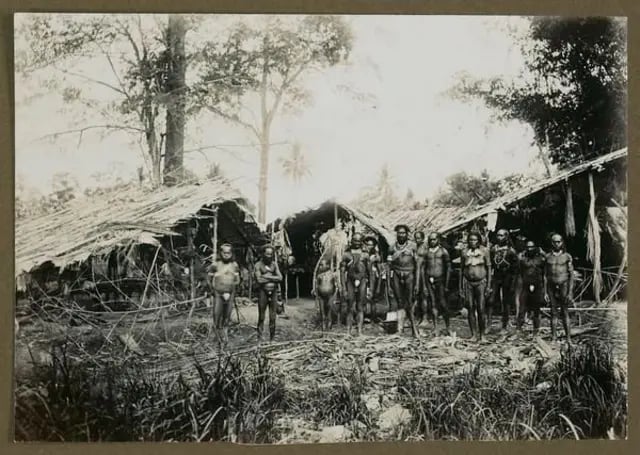
Marind: The dominant indigenous group in the Merauke region, known for their elaborate ritual practices, strong connection to the sago environment, and historical headhunting traditions.
Asmat (Influence): Though administratively in Central Papua, the rich artistic traditions of the Asmat woodcarvers deeply influence the coastal lowlands.
Mappi and Boven Digoel Tribes: Various tribes inhabiting the vast river networks of the interior.
Migrants: Significant communities of Javanese (often involved in large-scale agriculture) and coastal traders.
Customs (Adat Istiadat):
Wati Rituals (Marind): The Marind people traditionally have complex ritual cycles related to initiation, hunting, and headhunting, deeply connected to their mythology and reverence for ancestral spirits.
Sago Life: The culture and economy of the lowlands revolve entirely around the sago palm, which serves as the primary food source and material for building.
📜History: The Dutch Colonial Post and Frontier
South Papua's history is marked by its position as a remote colonial outpost and its strategic location near Australia and the Torres Strait.
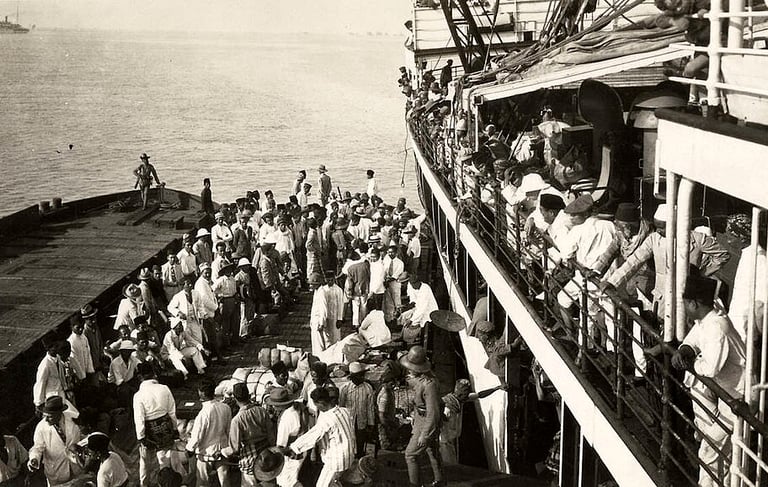
Colonial Border: Merauke was established by the Dutch as a defensive outpost in the early 20th century to mark the border with British New Guinea (now Papua New Guinea).
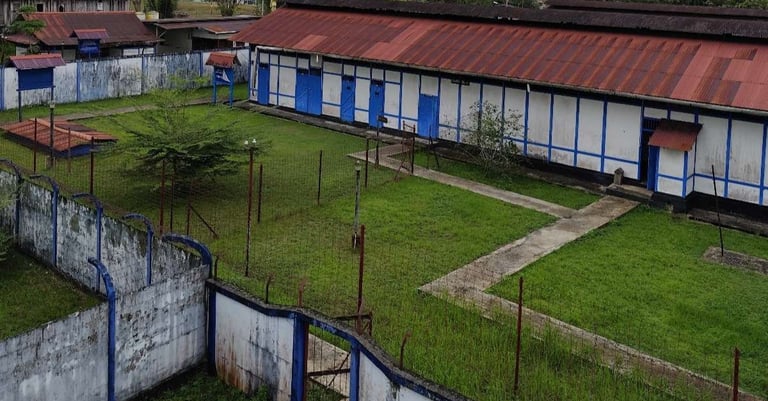
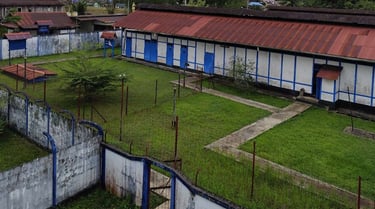
Boven Digoel Concentration Camp: The town of Boven Digoel was infamous during the Dutch colonial era as a remote exile and concentration camp for Indonesian nationalist leaders and political prisoners in the 1920s and 1930s.
Administrative Changes: South Papua was established in 2022 by partitioning the former Papua province, aiming to accelerate development in this vast, remote territory.
🎨Culture and Traditional Arts
The culture reflects the resources available in the wetlands and sago forests:
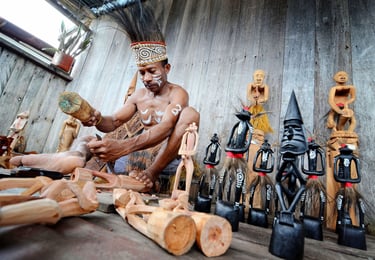
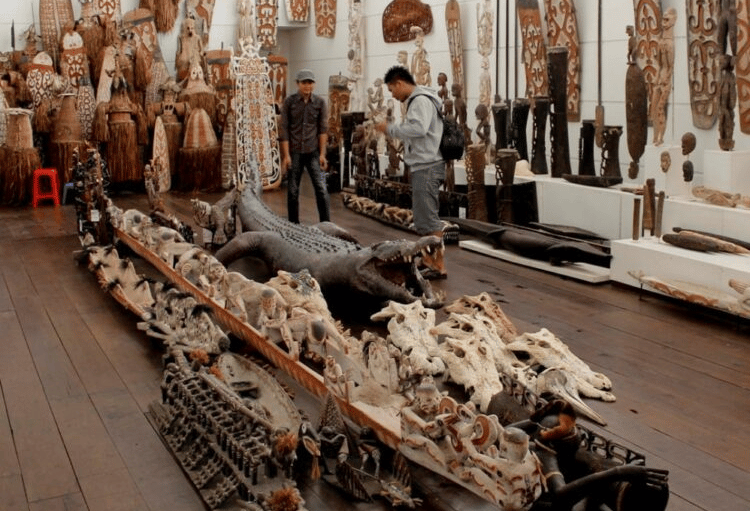
Wood Carving: While the Asmat are the masters, wood carving is pervasive, often featuring intricate representations of ancestors, spirits, and animals (such as crocodiles and birds).
Plaited Crafts: Due to the abundance of sago and natural fibers, the traditional crafts focus on complex plaited mats, baskets, and wall coverings.
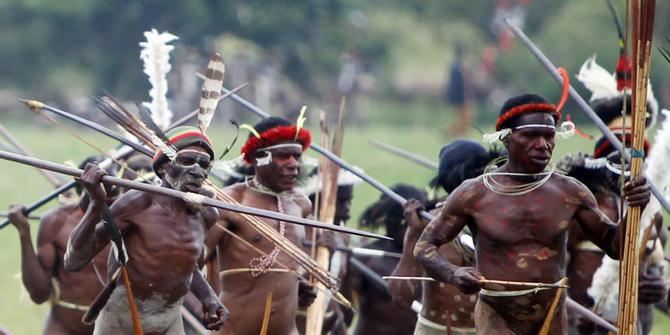
War Dances: Traditional dances are often highly energetic, utilizing loud drum beats (tifa) and elaborate costumes to tell stories of hunting, warfare, and creation myths.

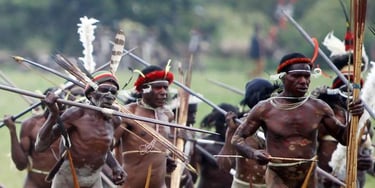
Traditional Houses and Clothing of South Papua Province (Papua Selatan)
The traditional architecture and clothing are adapted for the flat, swampy, and warm lowland environment.
🏠Traditional House : Jew and Kondo
Jew (Asmat Influence/Communal House)
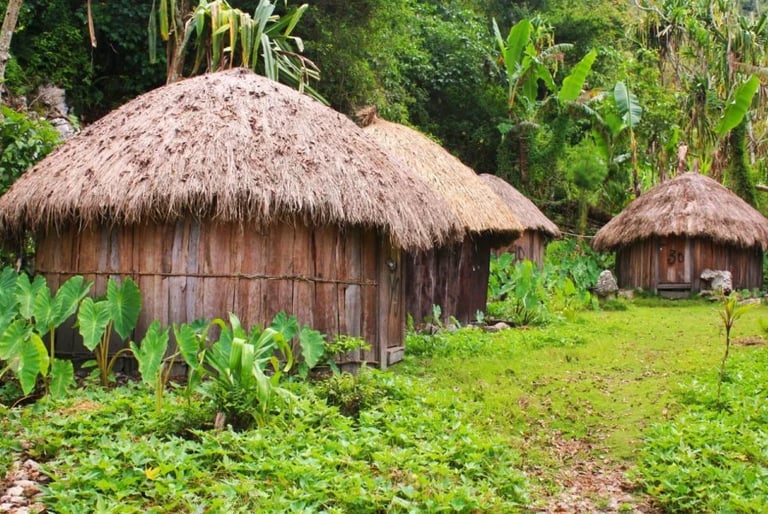
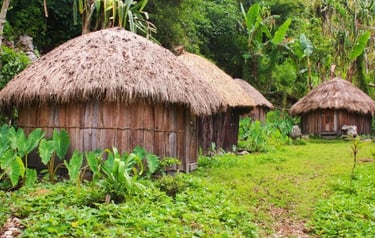
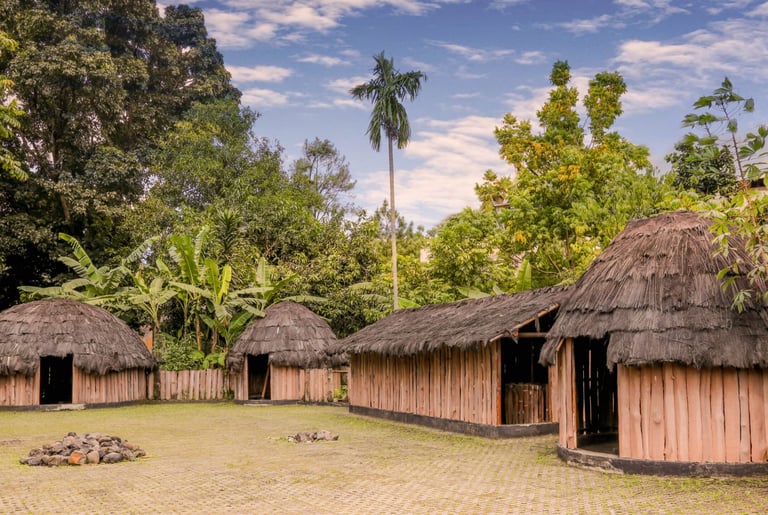
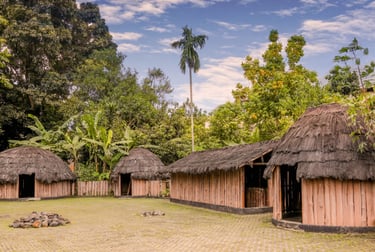
Architecture and Function The Jew (or Jeu) is a traditional long communal house built on very high wooden stilts, often more than two meters above the ground, to protect against flooding and insects in the swampy river deltas. The house is built with a thatched roof and is often rectangular.
Symbolism Historically, the Jew served as the Men's House—a sacred, non-residential structure used for performing rituals, preparing for war, and storing ceremonial items and carvings.
Kondo (Marind Residential House)
Kondo The residential houses of the Marind people are also built on stilts but are smaller and simpler, built with wood and sago palm leaves. They are designed for family units and are often aligned to follow the course of the river or coast.
👘Traditional Clothing : Pakaian Adat Marind
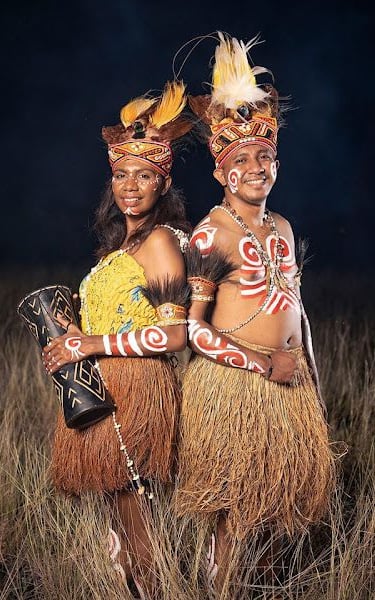
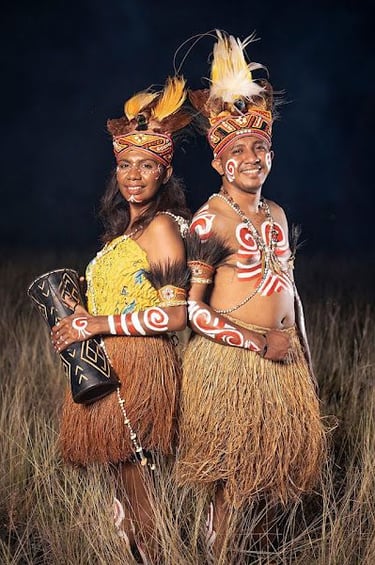
Pakaian Adat Marind (Marind Traditional Attire) The traditional attire is defined by its use of natural fibers, minimal coverage, and elaborate natural accessories.
General Feature Clothing is made from woven grass, sago fiber, and tree bark. Accessories are vital, consisting of elaborate headdresses made from the Cenderawasih (Bird of Paradise) feathers, shells, and bones.
Men's Attire (Baju Adat Laki-laki)
Rumbai dan Koteka Men wear minimal clothing, often consisting of a small front covering (Koteka or sheath) and Rumbai (sashes/skirts) made of woven materials around the waist. The chest and neck are draped with heavy shell necklaces (Bia), and large feathered headdresses are essential for ceremonial dances.
Women's Attire (Baju Adat Perempuan)
Rok Rumbai Women wear a multi-layered Rok Rumbai (skirt) made of woven sago fibers or grass, which covers the body from the waist down. The upper body is typically adorned with elaborate beadwork, shell necklaces, and necklaces made from animal teeth. Head decoration includes flowers and small feathers.
🍲Distinctive Traditional Cuisine
South Papuan cuisine is dominated by sago and is often cooked using traditional earth ovens (bakar batu), especially in the transition zones to the highlands.
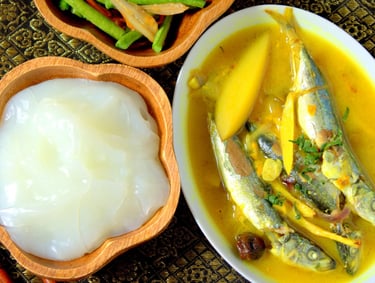
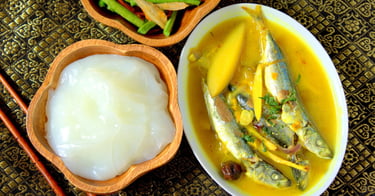
Papeda: The universal staple food, a sticky sago porridge served with tangy fish soup or meat.
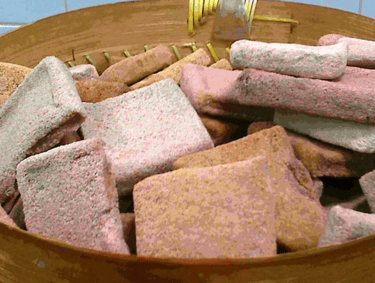
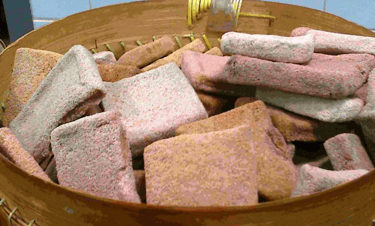
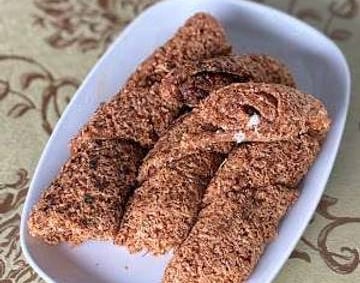
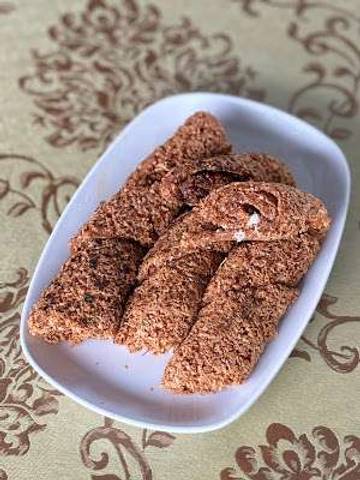
Sago Balls (Sagu Lempeng): Sago flour mixed with water, pressed into molds, and cooked, forming a hard, bread-like structure that is highly durable.
Fish and Game: As a vast lowland region, the diet includes abundant river fish, crocodile, and wild boar, often cooked simply over an open fire or smoked.


🗺️Famous Tourist Attractions
Wasur National Park (Merauke): Famous for its unique savanna ecosystem, which includes kangaroos and wallabies (shared with Australia) and massive, towering termite mounds built by the local species of insects.
Boven Digoel Historic Sites: The location of the former colonial concentration camp offers historical tourism, featuring relics and memorials related to the nationalist movement.
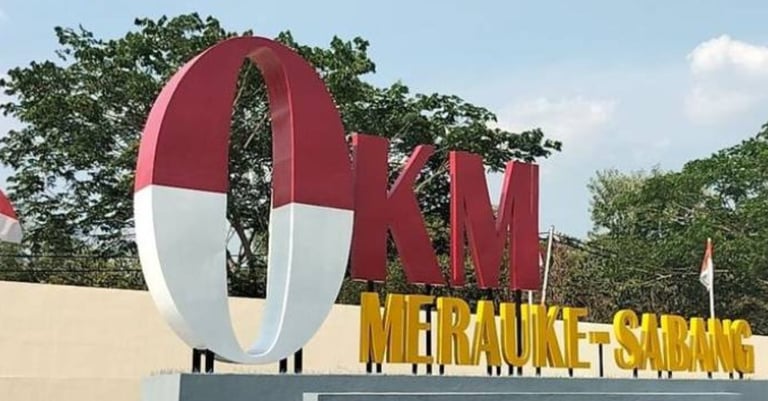
Zero Kilometer Monument: Located in Merauke, this monument marks the easternmost point of the vast Trans-Indonesia highway network, symbolizing the nation's unity from west to east.
Arafura Sea Coast: Coastal areas offer glimpses into the traditional fishing and sago-gathering life of the Marind people.
✈️Transportation Infrastructure
Transport is highly dependent on air travel and river networks due to the challenging swampy terrain.
Airport (Bandar Udara):
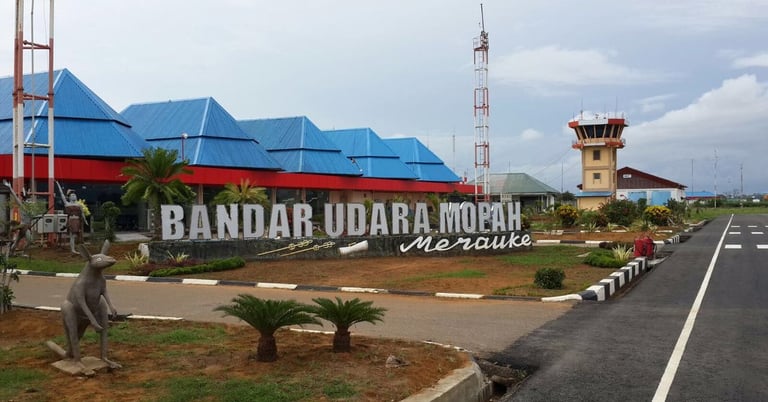
Mopah International Airport (MKQ): Located in Merauke, serving as the main air hub for South Papua, with flights connecting to Jakarta, Makassar, and other regional hubs.
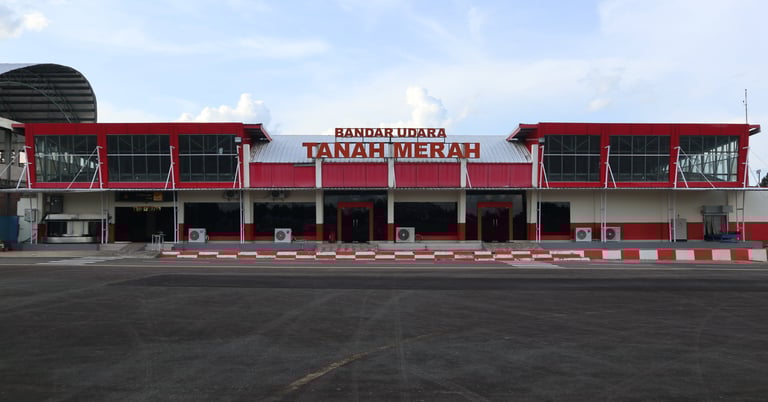
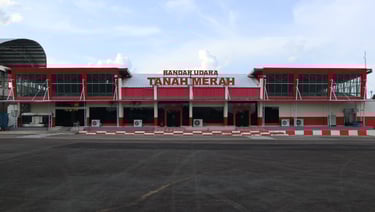
Tanah Merah Airport (TMH): A smaller airport in Boven Digoel, vital for connecting the interior parts of the province.
Port (Pelabuhan):
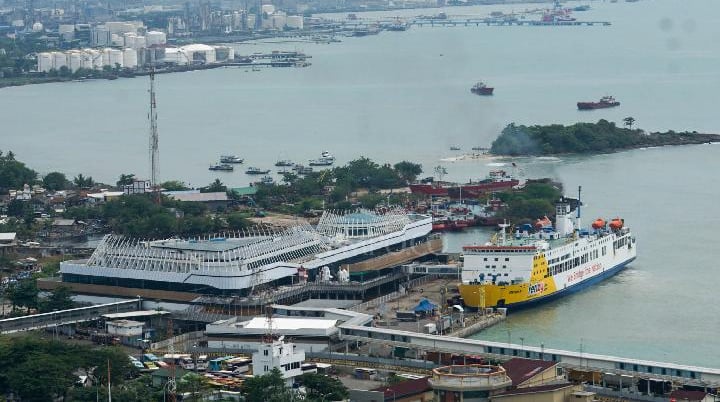
Port of Merauke: The main commercial port on the Arafura Sea, handling goods and large Pelni passenger ships that connect the province to other islands.
River Ports: Numerous small ports along the Digul and Fly Rivers are crucial for transporting goods and people deep into the interior.
Railroad (Stasiun Kereta Api):
South Papua Province does not have a functional railway network. Transportation across the vast swamp and savanna regions relies heavily on riverboats and small aircraft.
South Papua is a unique frontier where the vast river deltas meet the Arafura Sea. It is a land of resilient people, ancient rituals of the Marind, and a history etched by colonial isolation. From the termite mounds of Wasur to the powerful flow of its great rivers, South Papua invites exploration of its wild, untouched lowlands.
Follow us to explore Indonesia with expert travel guidance
©PT.Sinar Pesona Travelindo 2025. All rights reserved.