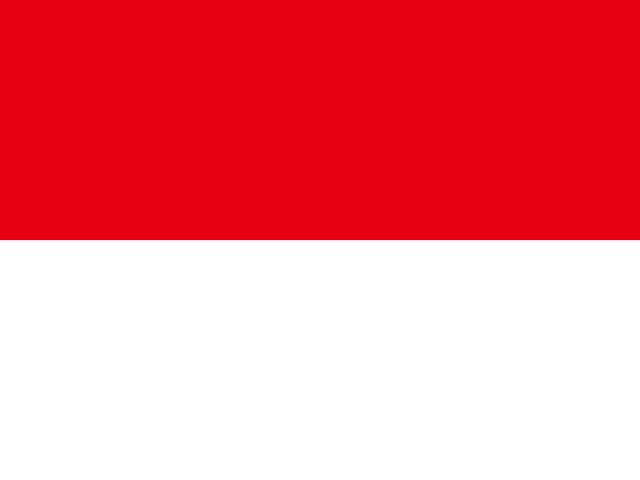

West Kalimantan Province
A Comprehensive Look at West Kalimantan Province
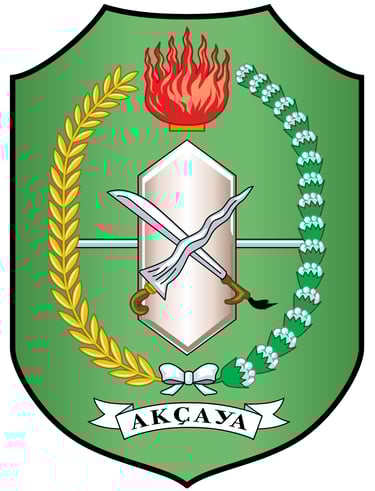
🌳West Kalimantan Province : The Land of the Equator and the Dayak
West Kalimantan, situated on the western side of the island of Borneo, is uniquely positioned right on the Equator (Garis Khatulistiwa). The province is characterized by its vast river systems, dense tropical rainforests, and a rich, complex cultural tapestry woven by the indigenous Dayak people, Malay kingdoms, and Chinese communities.
🏛️Capital City and Geographical Conditions
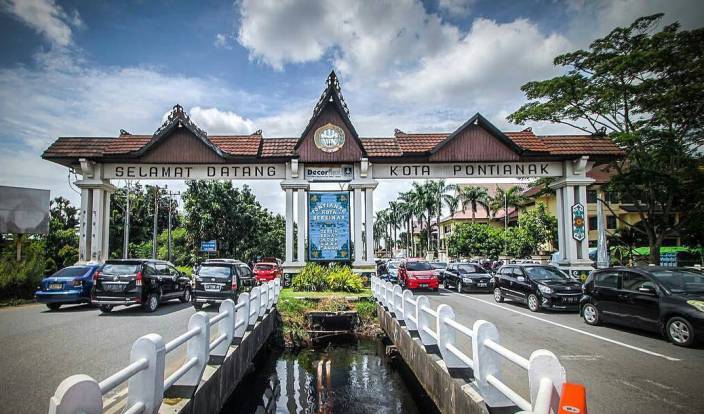
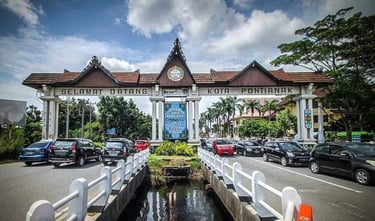
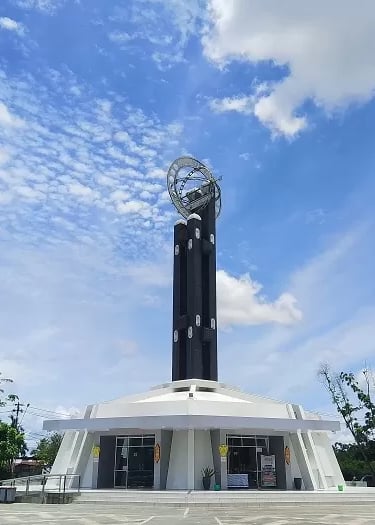
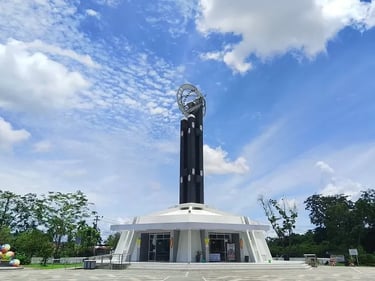
Capital City: Pontianak. Famously known as the "Equator City," Pontianak sits almost precisely on the 0-degree latitude line, which is celebrated with a dedicated monument.
Geographical Conditions: The province is dominated by riverine and flat terrain.
Rivers: Traversed by the massive Kapuas River, the longest river in Indonesia, which serves as the primary transportation and economic artery.
Lowlands: The coastal areas and central regions are mostly low-lying, swampy peatlands.
Highlands: The eastern and northern boundaries feature the Schwaner and Muller mountain ranges, defining the border with Central Kalimantan and Malaysia (Sarawak).
Climate: Equatorial tropical climate, characterized by high rainfall, heat, and humidity throughout the year.
👥Demographics and Customs
Population: The population of West Kalimantan is approximately 5.6 million people.
Ethnic Groups: The three largest groups form the cultural foundation of the province:
Dayak: The indigenous people of Borneo, consisting of numerous sub-tribes (e.g., Iban, Bidayuh, Kantu), known for their traditional longhouses (rumah betang) and complex ancestral rituals.
Malay: Primarily settled along the coast and major rivers, historically affiliated with the Sultanates.
Chinese: Concentrated in urban centers like Pontianak and Singkawang, maintaining distinct cultural and culinary traditions.
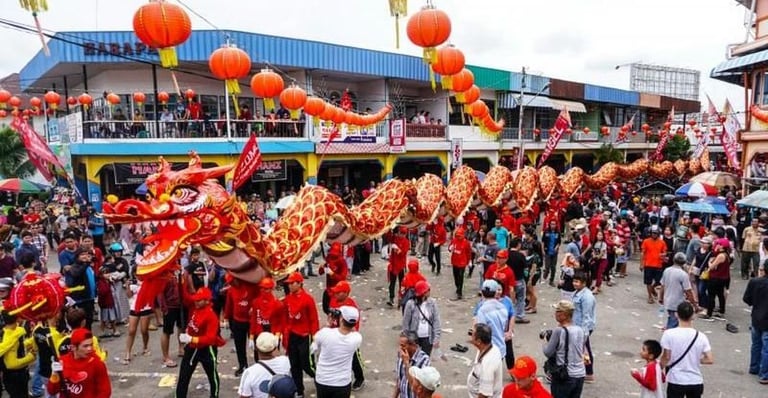
Customs (Adat Istiadat): Cultural life is defined by the coexistence of these groups. Gawai Dayak is the largest harvest festival, and the Cap Go Meh festival (celebrated by the Chinese community in Singkawang) is internationally famous for its colorful rituals and spirit medium traditions.
📜History: Trade, Sultanates, and the Gold Rush
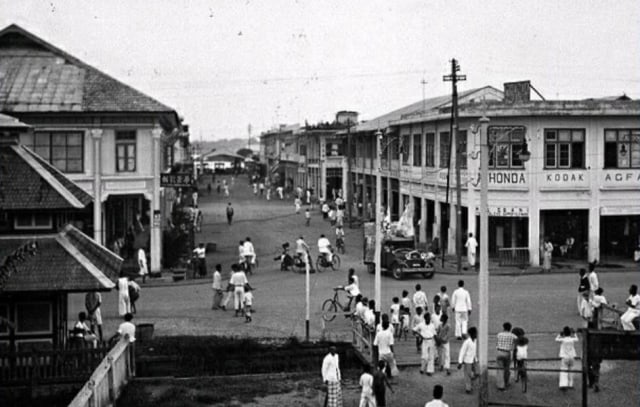
West Kalimantan’s history is centered around major river ports and significant cultural interactions.
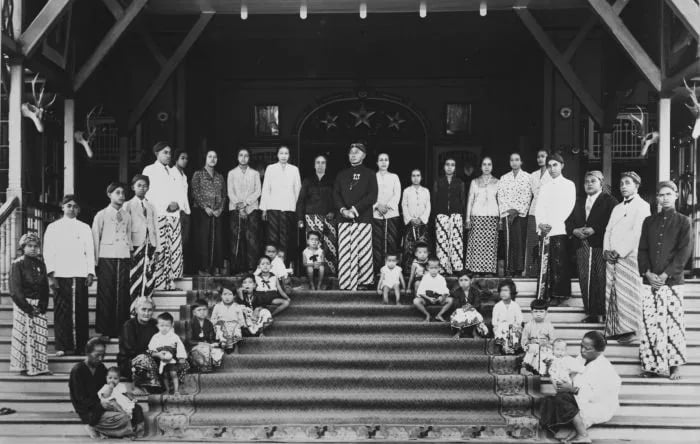
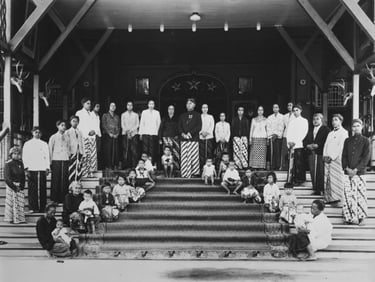
Sultanates: The region saw the rise of powerful Malay Sultanates, notably the Pontianak Sultanate (founded in 1771), which controlled key river trade routes.
Chinese Migration (The Gold Rush): Starting in the 18th century, the discovery of gold and other minerals led to massive migration from China. The Chinese community established self-governing mining organizations (kongsi) like the Lanfang Republic, creating a unique historical dynamic.
Dayak Autonomy: The Dayak communities, traditionally residing along the upper reaches of the rivers, maintained political and cultural autonomy deep in the interior.
Colonial Era: The Dutch established control but faced constant challenges from local kingdoms and rival European powers.
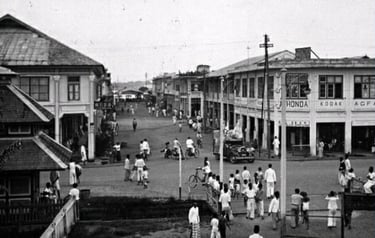
🎨Culture and Traditional Arts
The culture of West Kalimantan is a rich mosaic, showcasing the artistry of both forest dwellers and maritime traders.
Rumah Betang (Longhouse): The traditional communal dwelling of many Dayak tribes, symbolizing collective living and defense.
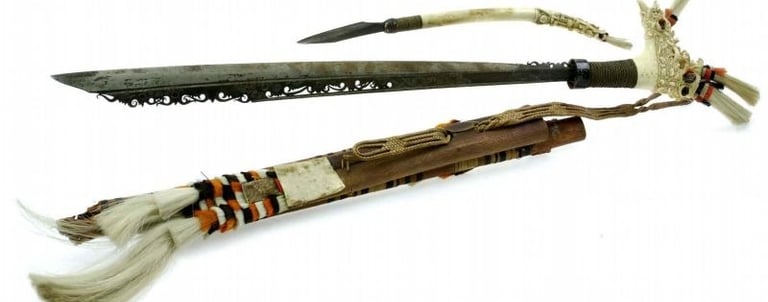
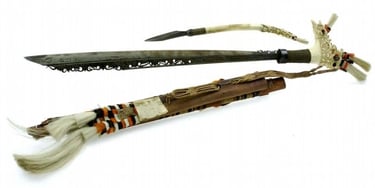
Mandau: The traditional Dayak weapon—a unique sword highly valued for its craftsmanship and spiritual significance.
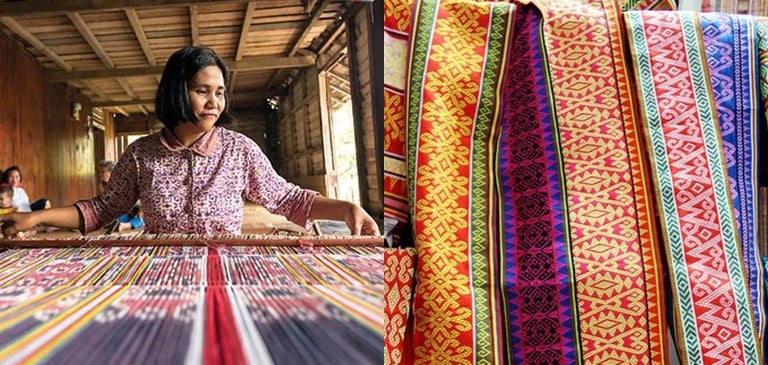
Tenun Ikat: Traditional hand-woven textiles, especially from Dayak communities, known for their complex patterns created by dyeing the threads before weaving.
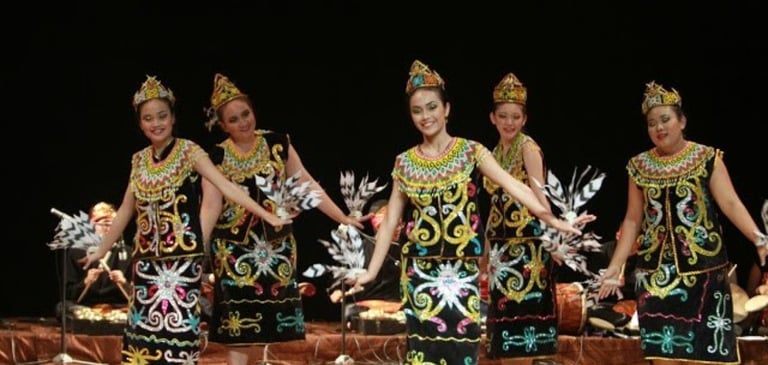
Tari Burung Enggang: The Hornbill Dance, performed by Dayak women, symbolizing the revered Hornbill bird and often associated with welcoming ceremonies.
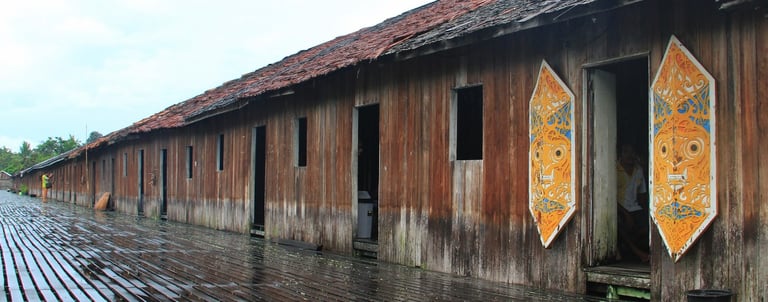
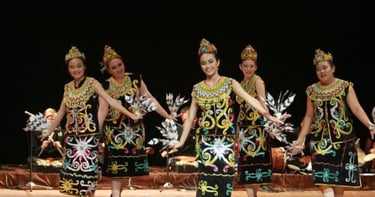
Traditional Houses and Clothing of West Kalimantan Province (Kalimantan Barat)
West Kalimantan's culture is dominated by the Dayak and Malay ethnic groups. Its traditions reflect the unique life of the rainforest and the historical significance of the region's vast river systems.
🏠Traditional House : Rumah Radakng and Rumah Betang
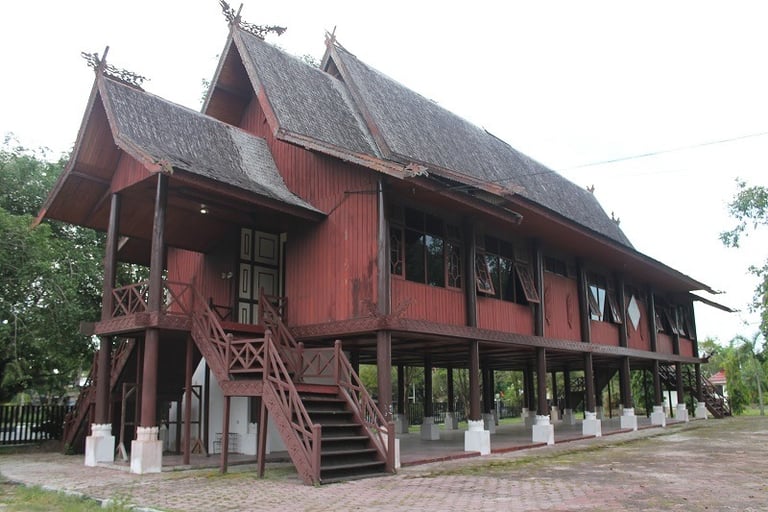
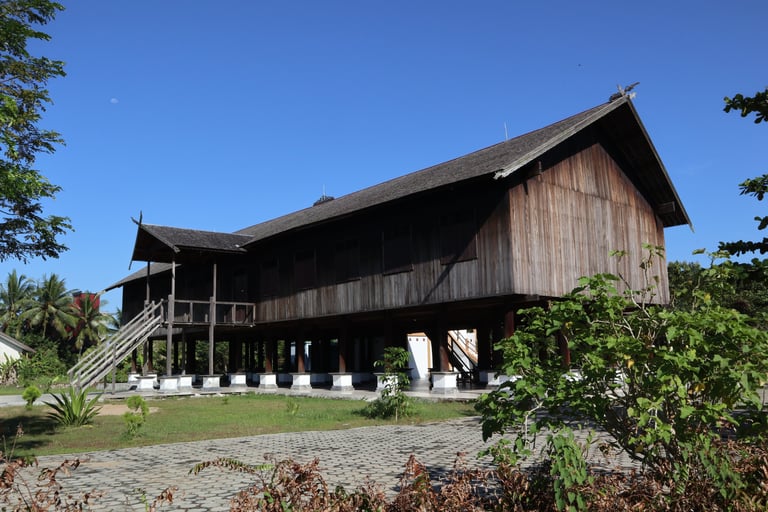
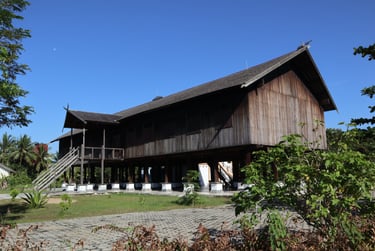
Rumah Betang (or Rumah Panjang) This is the iconic communal longhouse of the Dayak people. It is a massive, elevated stilt house that can stretch over 100 meters long and serves as a single dwelling for an entire village or clan (up to 30-40 families). The large, central common area is used for meetings, ceremonies, and shared activities. The house symbolizes the collective identity and mutual cooperation (gotong royong) of the community.
West Kalimantan Specific (Rumah Adat Pontianak)
Rumah Radakng A specific term used in West Kalimantan (particularly Pontianak) for a very large Rumah Betang that often functions as the center of traditional governance and culture for the Dayak sub-tribes, often reaching monumental sizes.
👘Traditional Clothing : King Baba and King Bibinge
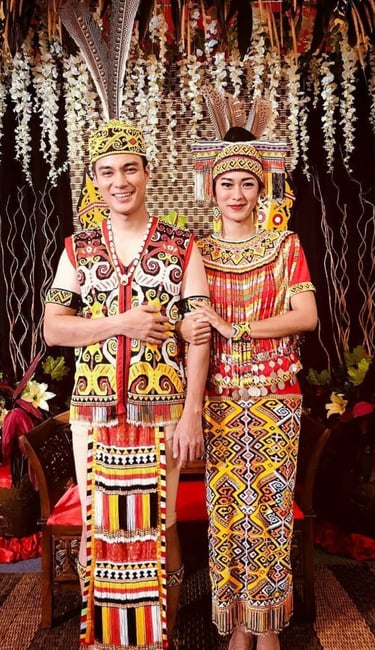
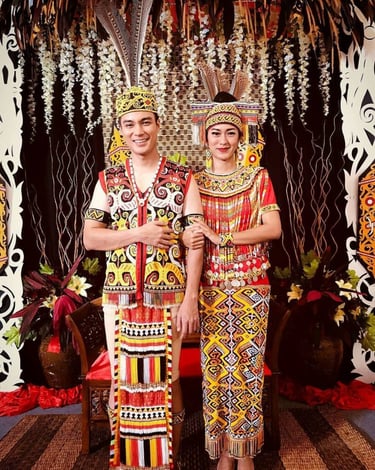
Pakaian Adat Dayak (Dayak Traditional Attire) This is the most representative indigenous attire of the Dayak groups in West Kalimantan, characterized by the use of natural materials and intricate beadwork.
General Feature
Natural Materials and Beadwork The clothing is historically made from natural forest fibers, such as woven bark fiber (especially kapuo bark), and heavily decorated with colorful beads, animal teeth, bones, and feathers. The use of these natural elements reflects their deep connection to the forest environment.
Men's Attire (Baju Adat Laki-laki)
King Baba (Father's Clothing) Men wear a simple Cawat (loincloth), often with a vest or sleeveless jacket made of bark or rattan. The outfit is accessorized with heavy bead necklaces, woven bracelets, and a Mandau (ceremonial sword) carried on the side. The head is adorned with a Lawung (headband) decorated with horns and feathers (usually from hornbills), signifying bravery and warrior status.
Women's Attire (Baju Adat Perempuan)
King Bibinge (Mother's Clothing) Women wear a simple skirt or sarong and a sleeveless top, all made from bark fiber or woven rattan. The clothing is extensively embellished with beads and shells. A distinguishing feature is the use of ringlets or coils made of brass or rattan wrapped around their calves and ankles, which are considered marks of beauty and status.

🍲Distinctive Traditional Cuisine
West Kalimantan cuisine features a fusion of Malay, Chinese, and Dayak influences, utilizing river produce and local spices.
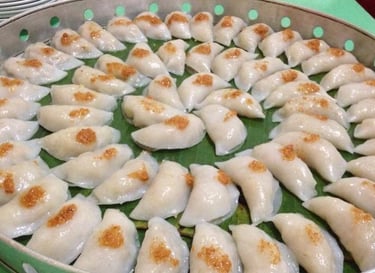
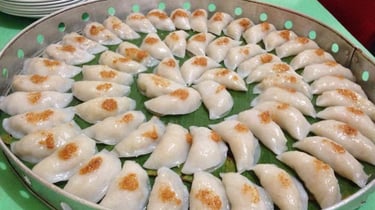
Chai Kwe (Choi Pan): A classic Pontianak/Chinese snack. These are delicate steamed dumplings with translucent skin, typically filled with shredded bengkoang (jicama) or chives, and served with a special chili sauce and crispy garlic oil.
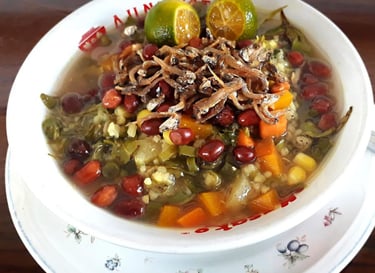
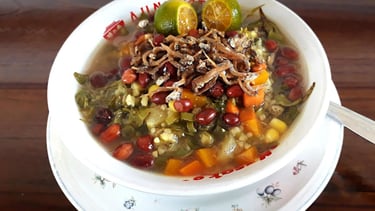
Bubur Pedas (Spicy Porridge): A dish with Malay roots, particularly from Sambas. It is a hearty rice porridge mixed with vegetables (like corn, carrots, spinach), ground peanuts, and herbs, creating a savory and spicy breakfast or light meal.
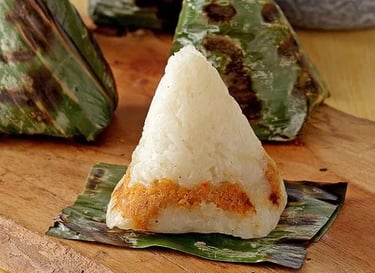
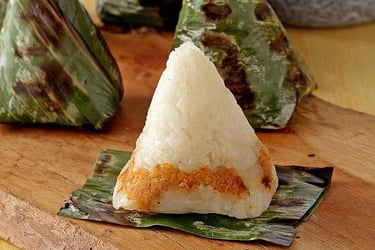
Pengkang: A traditional savory snack from the coastal area (Mempawah). Sticky rice is mixed with dried shrimp (ebi) or fish, wrapped tightly in banana leaves in a triangular shape, then grilled over charcoal.
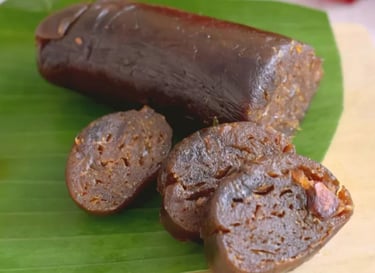
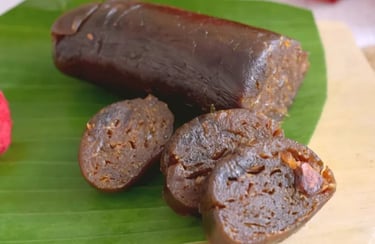
Lempok Durian: A popular regional sweet delicacy. It is a dense, sticky, and rich durian paste (similar to taffy or fruit leather), made by cooking durian flesh with sugar until it caramelizes and thickens.
🗺️Famous Tourist Attractions
West Kalimantan offers a mix of historical sites, indigenous culture, and unique equatorial experiences.
Equator Monument (Tugu Khatulistiwa): Located just outside Pontianak, this monument marks the exact spot where the Equator crosses the island. Visitors can experience the famous shadow anomaly during the equinox.
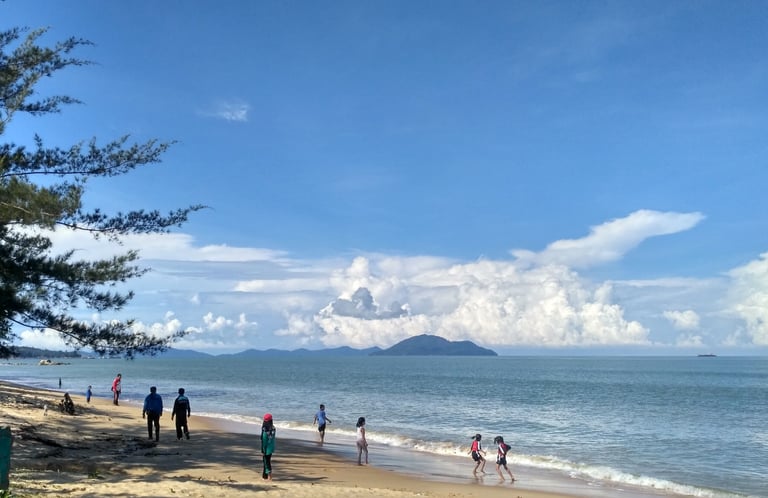
Pasir Panjang Beach: A popular beach resort near Singkawang, offering scenic views and recreational activities.
Taman Nasional Gunung Palung: A national park known for its high biodiversity, protecting the habitat of wild orangutans and other endemic species.
Cap Go Meh Festival (Singkawang): While not permanent, this annual festival is a major international draw, famous for its dramatic and highly spiritual Tatung (spirit medium) parades.
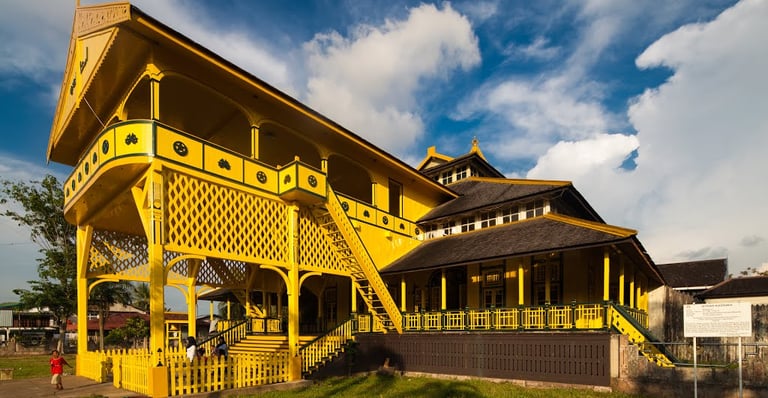
Keraton Kadriah (Pontianak): The historical palace of the Pontianak Sultanate, preserving artifacts and architecture of the Malay court.
✈️Transportation Infrastructure
West Kalimantan's transport network is characterized by its vital river connections and the importance of air travel for national connectivity.
Airport (Bandar Udara):
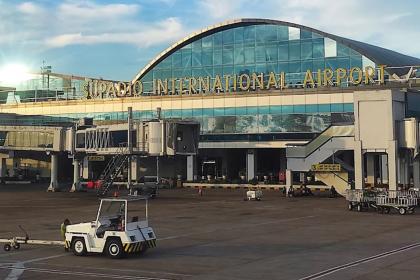
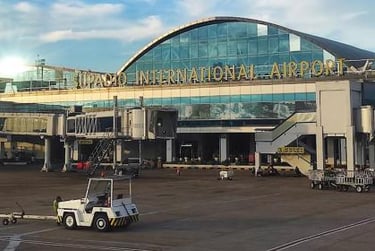
Supadio International Airport (PNK): Located near Pontianak, this is the main gateway, serving extensive domestic routes and regional international flights (notably to Malaysia).
Port (Pelabuhan):
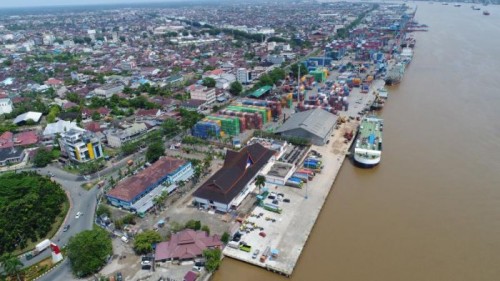
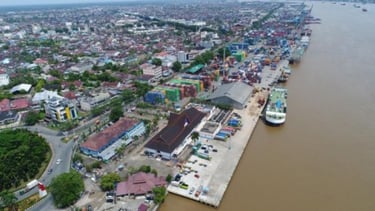
Dwikora Port (Pontianak): The main commercial port, located on the Kapuas River, handling cargo and facilitating inter-island trade.
Numerous River Ports: The Kapuas River and its tributaries host countless smaller ports that are essential for transporting goods, timber, and people throughout the vast interior of the province.
Railroad (Stasiun Kereta Api):
West Kalimantan Province does not have any active railway network or passenger train stations. All land transport relies on road networks, and crucial internal logistics depend on the river systems.
West Kalimantan is a province of compelling crossroads: where the mighty Kapuas River flows, where the Dayak longhouse meets the Malay mosque, and where the bustling energy of the Equator City sustains a powerful blend of cultures. From the intricate artistry of Dayak Tenun to the delicate flavors of Choi Pan, West Kalimantan invites travelers to witness a beautiful, vibrant fusion of traditions—a true jewel on the Indonesian side of Borneo, defined by its warmth, its waters, and its resilient people.
Follow us to explore Indonesia with expert travel guidance
©PT.Sinar Pesona Travelindo 2025. All rights reserved.