

West Papua Province
A Comprehensive Look at West Papua Province
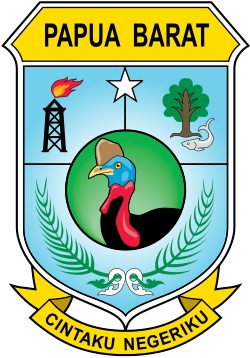
🦜West Papua Province (Papua Barat): The Conservation Province and Historic Shores
West Papua (Papua Barat) is a province located on the western "Bird's Head" and "Bird's Neck" region of the island of New Guinea. While the famous Raja Ampat islands recently split off to form Southwest Papua, the remaining West Papua province remains a powerhouse of biodiversity, history, and stunning landscapes. It famously declared itself Indonesia's first "Conservation Province," dedicating its future to sustainable development and the protection of its pristine ecosystems.
🏛️Capital City and Geographical Conditions
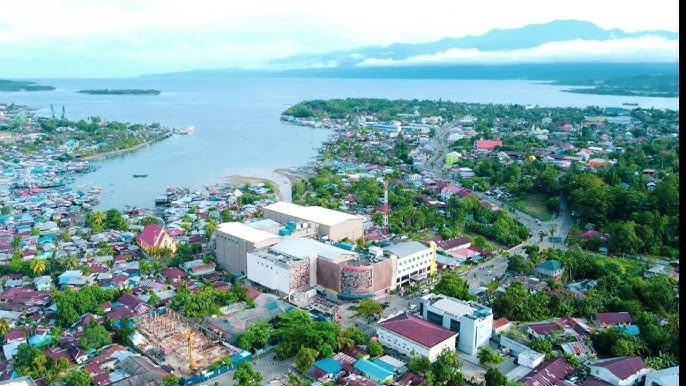
Capital City: Manokwari. Situated on the northern coast of the Bird's Head Peninsula, Manokwari is a city of immense historical significance and offers stunning views of the Arfak Mountains meeting the sea.
Geographical Conditions: The province features a dramatic mix of terrain.
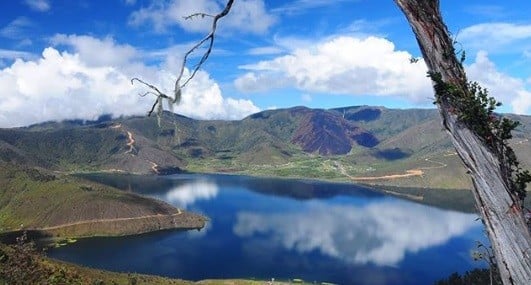
The Arfak Mountains: A rugged mountain range in the interior, home to high-altitude lakes and unique species like the Vogelkop Bowerbird.
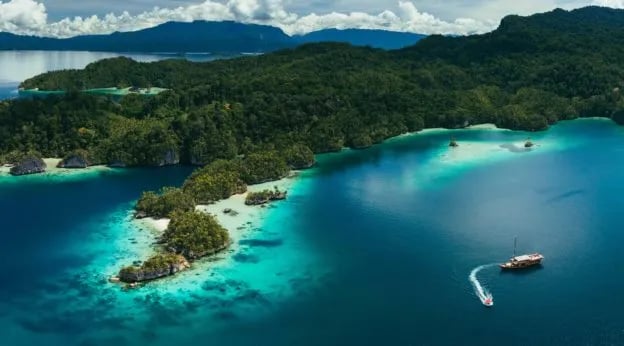
Cenderawasih Bay: The largest marine national park in Indonesia, located on the east side of the province.
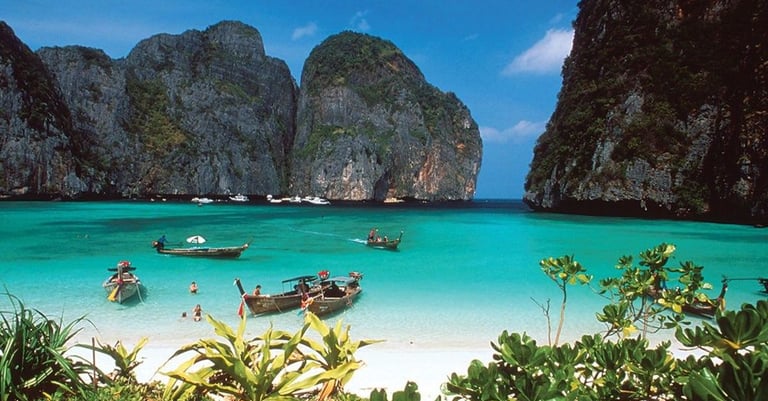
Bomberai Peninsula: To the south (Fakfak and Kaimana), the landscape features spectacular limestone karst cliffs dropping directly into the sea.
Climate: Tropical rainforest climate, with high humidity and significant rainfall throughout the year.
👥Demographics and Customs
Population: The population is approximately 1.2 million people.
Ethnic Groups:
Arfak: The dominant indigenous tribe inhabiting the mountainous regions near Manokwari, known for their resilience and traditional knowledge.
Doreri: Coastal tribes living around Manokwari.
Mairasi/Irarutu: Indigenous groups of the southern coast (Kaimana/Fakfak).
Migrants: Significant communities of Bugis, Makassarese, and Javanese, particularly in trade centers like Fakfak.
Customs (Adat Istiadat):
Satu Tungku Tiga Batu: A philosophy from Fakfak symbolizing religious tolerance. It represents three stones supporting a cooking pot—symbolizing Catholics, Protestants, and Muslims living together in one family/community harmony.
Rumah Kaki Seribu: The traditional "Thousand Leg House" of the Arfak tribe, built on many wooden stilts to protect against cold, damp ground and animals.
📜History: The Entry Point of Faith
West Papua holds a special place in the history of the island.
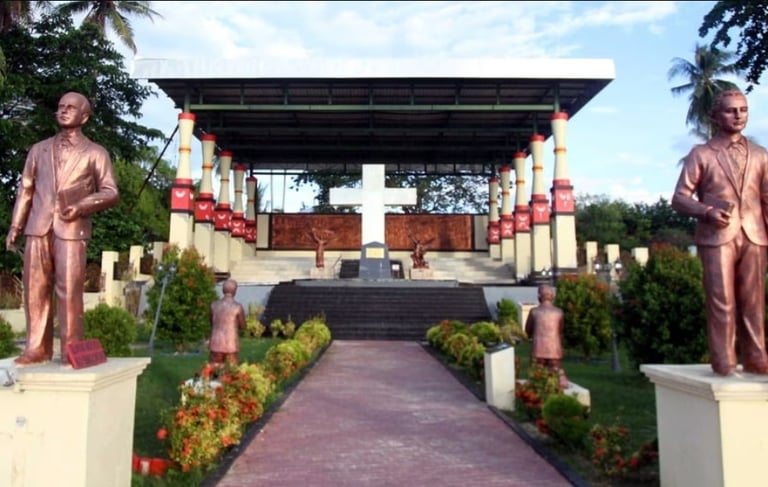
Mansinam Island: On February 5, 1855, two German missionaries (Ottow and Geissler) landed on Mansinam Island near Manokwari. This event marks the arrival of Christianity in Papua and is celebrated annually as a major festival.
Sultanate Influence: The southern regencies like Fakfak and Kaimana have centuries-old ties to the Sultanate of Tidore, resulting in a unique history where Islam and local traditions intertwined long before European colonization.
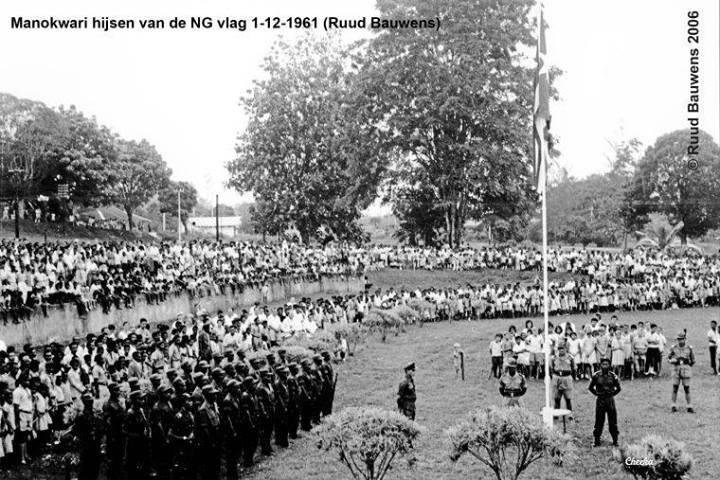
Administrative Changes: Originally part of the single "Irian Jaya" province, it became a separate province in 2003. In 2022, the western tip (Sorong/Raja Ampat) split off, leaving Manokwari as the center of the current West Papua province.
🎨Culture and Traditional Arts
The culture is a blend of highland survival skills and coastal trading traditions.
Tifa: The traditional drum used throughout Papua. In West Papua, Tifa carvings often reflect the coastal stories or mountain motifs depending on the tribe.
Noken: The knotted string bag (UNESCO heritage) is widely used here, made from tree bark fibers and used to carry produce, babies, or firewood.
Traditional Dance: The Tari Magasa from Fakfak is a communal dance performed in a circle, symbolizing unity and brotherhood, often lasting all night during celebrations.

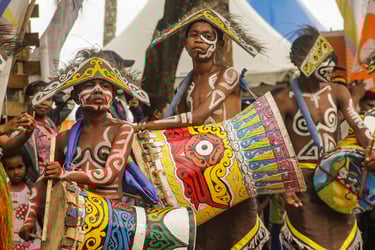
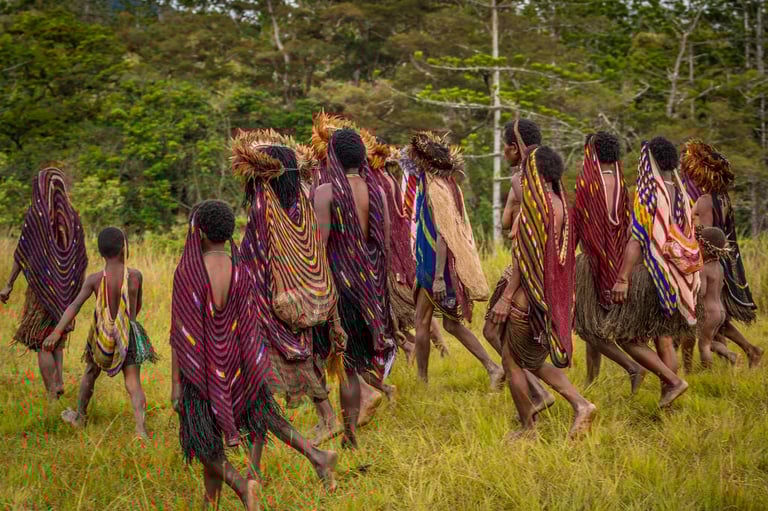
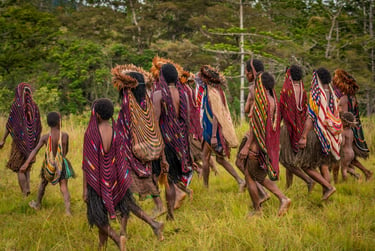
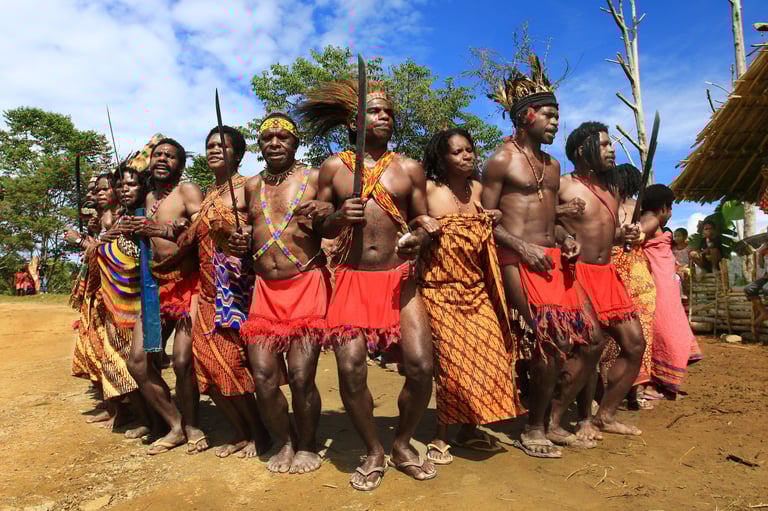
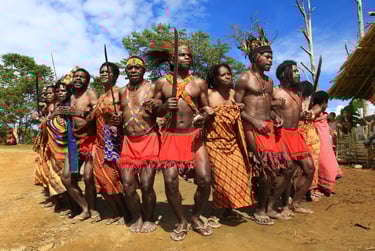
Traditional Houses and Clothing of West Papua Province (Papua Barat)
West Papua, or Papua Barat, is characterized by its vast rainforests, coastal areas, and mountainous interior. Its culture is highly diverse, inhabited by various indigenous Melanesian tribes, including the Arfak, Sougb, and Biak people.
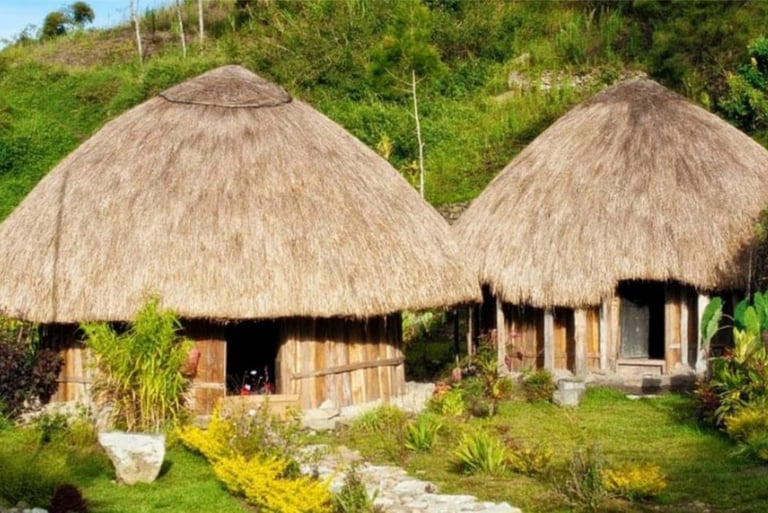
🏠Traditional House : Honai, Kariwari, and Mod Aki Aksa
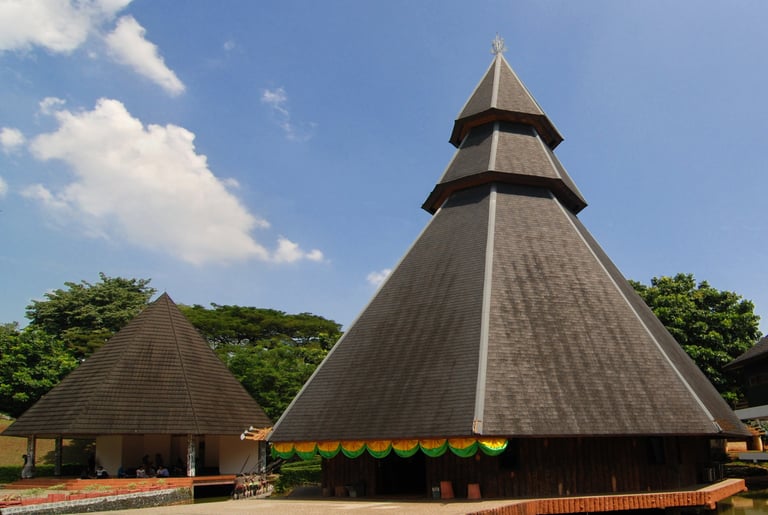
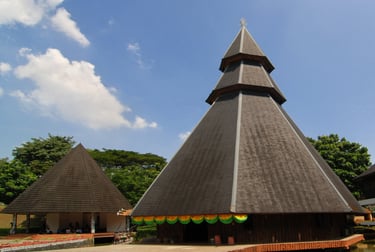
Kariwari (Biak Tribe House) The Kariwari is a traditional house style primarily found among the Biak people in coastal areas. Unlike the circular Honai (more common in the highlands), the Kariwari is a large, square or rectangular stilt house built above the water or on land, designed to withstand coastal conditions.
Architecture It is built with a distinctive octagonal or pyramidal roof that tapers steeply to a point. The house is built on strong wooden stilts, and the interior is typically divided into two floors: the lower floor for male activities and the upper floor for female activities and family rest.
Symbolism The Kariwari traditionally functioned as the male communal house, serving as a place for education, initiation rituals, and preparing for warfare or hunting.
Mod Aki Aksa (Arfak Tribe House)
Mod Aki Aksa The traditional house of the Arfak people in the Manokwari mountainous region. This house is a simpler, square structure built directly on the ground, often constructed with natural materials like bark and thatch. It is built large enough to house multiple families.
👘Traditional Clothing : Pakaian Adat Papua Barat (Papuan Traditional Attire)
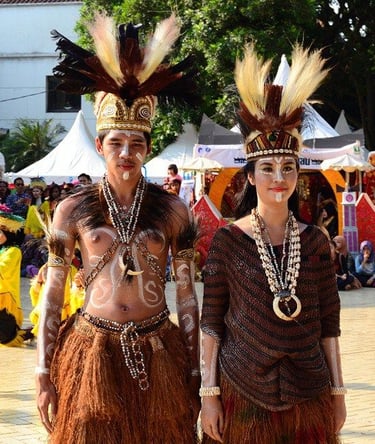
Pakaian Adat Papua Barat (West Papuan Traditional Attire) The traditional attire is defined by its simplicity, modesty, and reliance on natural forest products, reflecting the region's strong indigenous lifestyle.
General Feature
Natural Fibers and Ornaments The clothing is predominantly made from woven grass, dried leaves, bark fiber, and the feathers of native birds (especially the Cenderawasih/Bird of Paradise). Colors are generally natural browns, blacks, and yellows.
Men's Attire (Baju Adat Laki-laki)
Rumbai dan Koteka Men traditionally wear minimal clothing, historically consisting of a Koteka (penis gourd, though usage varies by tribe and is less common on the coast) or a simple loincloth, and Rumbai (skirts/sashes) made of woven straw or leaves worn around the waist. The body is heavily adorned with accessories, including feathers in the hair, elaborate necklaces made of shells (bia) or animal teeth, and a noken (woven bag) carried over the shoulder.
Women's Attire (Baju Adat Perempuan)
Rok Rumbai dan Kemben Women wear a skirt (Rok Rumbai) made of woven straw or bark fiber, often layered to create volume, covering the body from the waist down. The upper body may be left bare or covered with a simple Kemben (chest wrap) or vest made of bark or woven material. Accessories include large shell or bead necklaces and traditional woven bags (Noken).

🍲Distinctive Traditional Cuisine
West Papuan cuisine shares the sago staple of the east but features unique preparations, especially from the coastal regions.
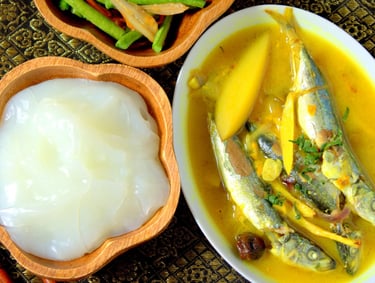
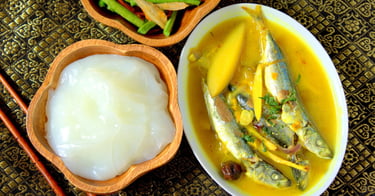
Papeda: The universal staple. A gelatinous porridge made from sago starch. In West Papua, it is the canvas for fresh, spicy fish soups.
Ikan Kuah Kuning: The classic partner for Papeda. Fresh ocean fish (Tuna, Mackerel, or Red Snapper) is cooked in a watery, zesty broth spiced with turmeric, lime, basil, and chili. It is light, sour, and spicy.
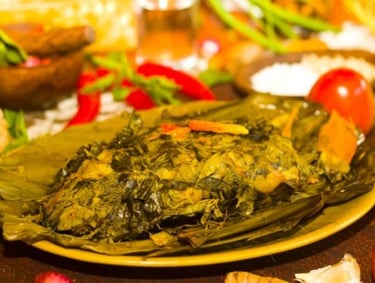
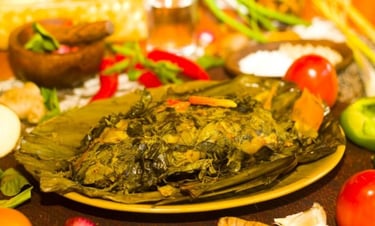
Ikan Bungkus: Unlike the Javanese Pepes which is steamed, West Papuan Ikan Bungkus involves fish wrapped in leaves (often taro or banana) with a rich spice paste and slow-smoked or grilled. The smoke infuses the fish with a distinct aroma.
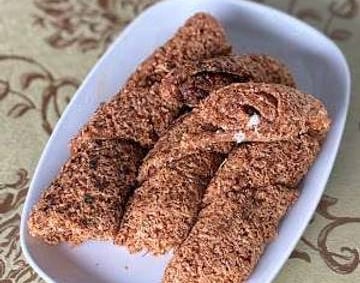
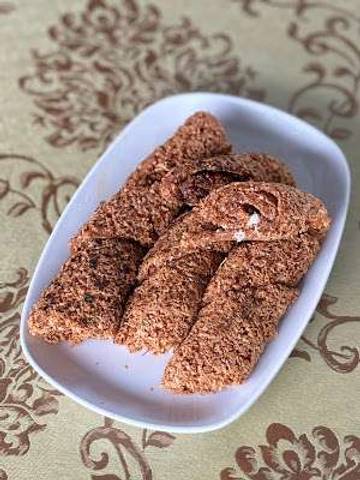
Sinole: A popular snack made from sago flour mixed with grated coconut and sugar. It is pan-roasted until it becomes a crumbly, sweet, and savory mixture, often eaten for breakfast with coffee.
Manisan Pala (Candied Nutmeg): Fakfak is known as the "City of Nutmeg." The flesh of the nutmeg fruit is processed into sweet candies or syrup, a signature souvenir of the region.


🗺️Famous Tourist Attractions
While Raja Ampat is now in a different province, West Papua still holds world-class treasures.
Teluk Cenderawasih National Park: The largest marine park in Indonesia. It is famous for its resident population of Whale Sharks. Here, tourists can swim with these gentle giants year-round near the bagan (fishing platforms).
Triton Bay (Kaimana): Often called "The Lost Paradise," this area offers spectacular soft corals and dramatic karst islands that rival Raja Ampat but with zero crowds. It is famous for its "walking sharks" and prehistoric cliff paintings.
Mansinam Island: Located just a short boat ride from Manokwari, this is a site of religious pilgrimage featuring a large Jesus statue and church ruins, marking the entry of the Gospel.
Anggi Lakes: Two stunning highland lakes (Anggi Giji and Anggi Gida) located high in the Arfak Mountains. They are known as the "Male and Female Lakes" and offer cool, crisp air and breathtaking mountain views.


✈️Transportation Infrastructure
Transport is challenging due to the mountainous terrain, making air and sea travel essential.
Airport (Bandar Udara):
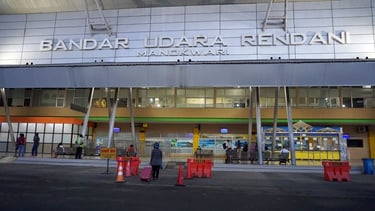
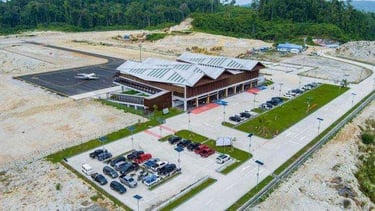
Rendani Airport (MKW): Located in Manokwari, serving flights to Jakarta, Makassar, Sorong, and Jayapura.
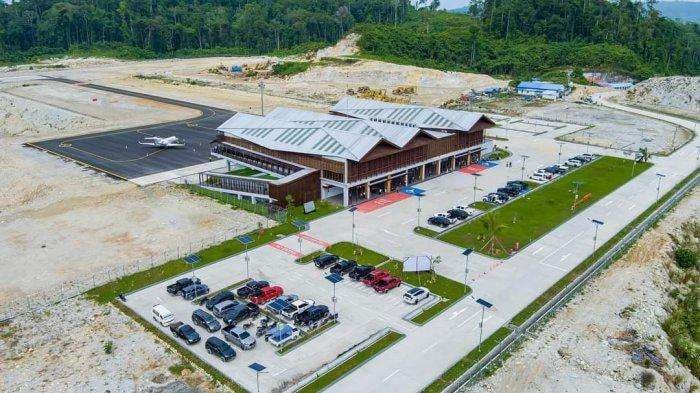
Torea Airport (FKQ): Located in Fakfak, connecting the southern region to Manokwari and Sorong.
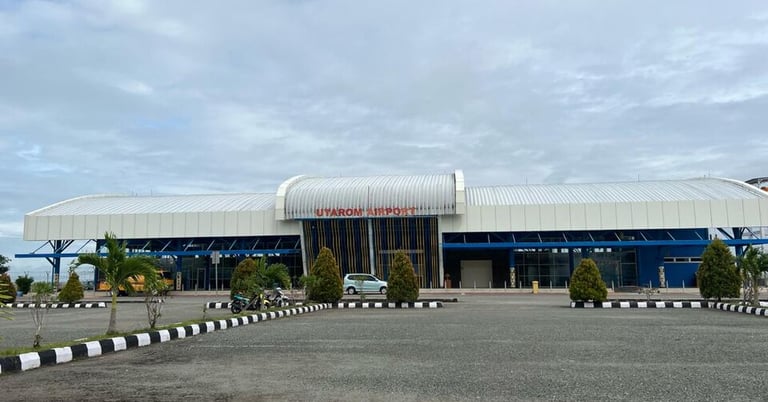
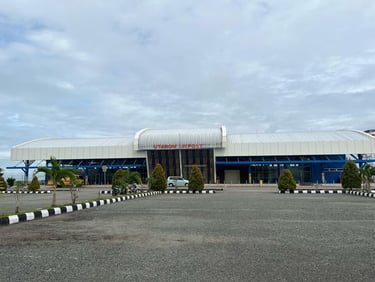
Utarom Airport (KNG): Located in Kaimana, the gateway to Triton Bay.
Port (Pelabuhan):
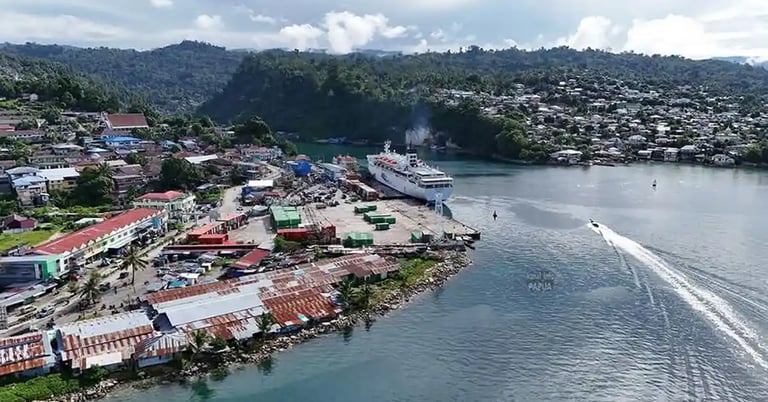
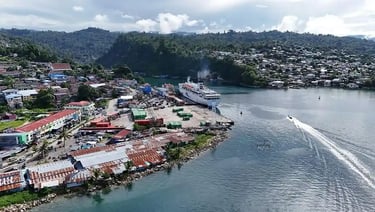
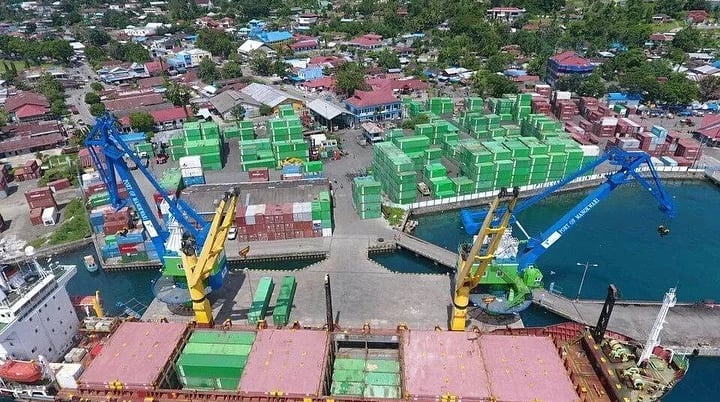
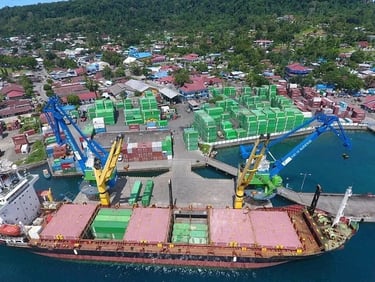
Manokwari Port: A major deep-sea port for Pelni passenger ships and cargo.
Fakfak Port: A historical port connecting the southern coast to the Maluku islands.
Railroad (Stasiun Kereta Api):
West Papua Province does not have a railway network. Travel between regencies is primarily done by Susi Air (small planes) or passenger ships.

West Papua is a province of profound depth and gentle giants. It is a place where history is written on the shores of Mansinam, where harmony is lived through the philosophy of Satu Tungku Tiga Batu, and where nature is preserved in the majestic waters of Cenderawasih Bay. From the misty heights of the Arfak Mountains to the prehistoric cliffs of Triton Bay, West Papua invites you to explore the "Conservation Province"—a land that honors its past while protecting its wild, beautiful future.
Follow us to explore Indonesia with expert travel guidance
©PT.Sinar Pesona Travelindo 2025. All rights reserved.